Get a free gamelan ensemble for Splice INSTRUMENT
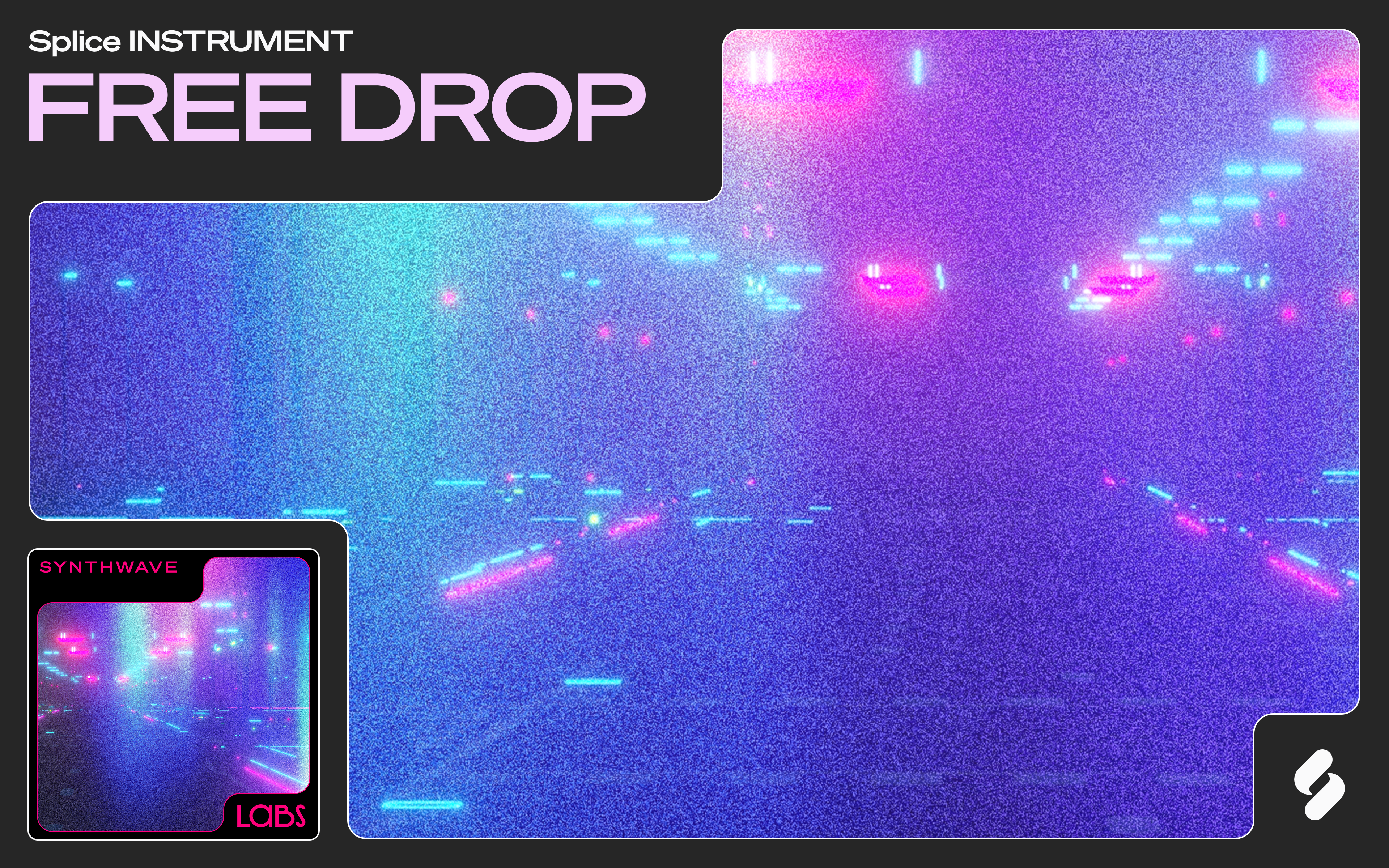
Download our free gamelan preset for Splice INSTRUMENT—grab these presets during the drop window and they’re yours to keep forever.


.svg)
.svg)

Download our free gamelan preset for Splice INSTRUMENT—grab these presets during the drop window and they’re yours to keep forever.
Watch expert producer, songwriter, and vocalist Alina Smith (ITZY, Fall Out Boy) make a beat with unexpected sounds in our new music production challenge.
Download our free cinematic synth pad preset for Splice INSTRUMENT—grab these presets during the drop window and they’re yours to keep forever.
Splice offers six months of its Creator plan to eligible artists in Spotify’s new Fresh Finds Forward program.
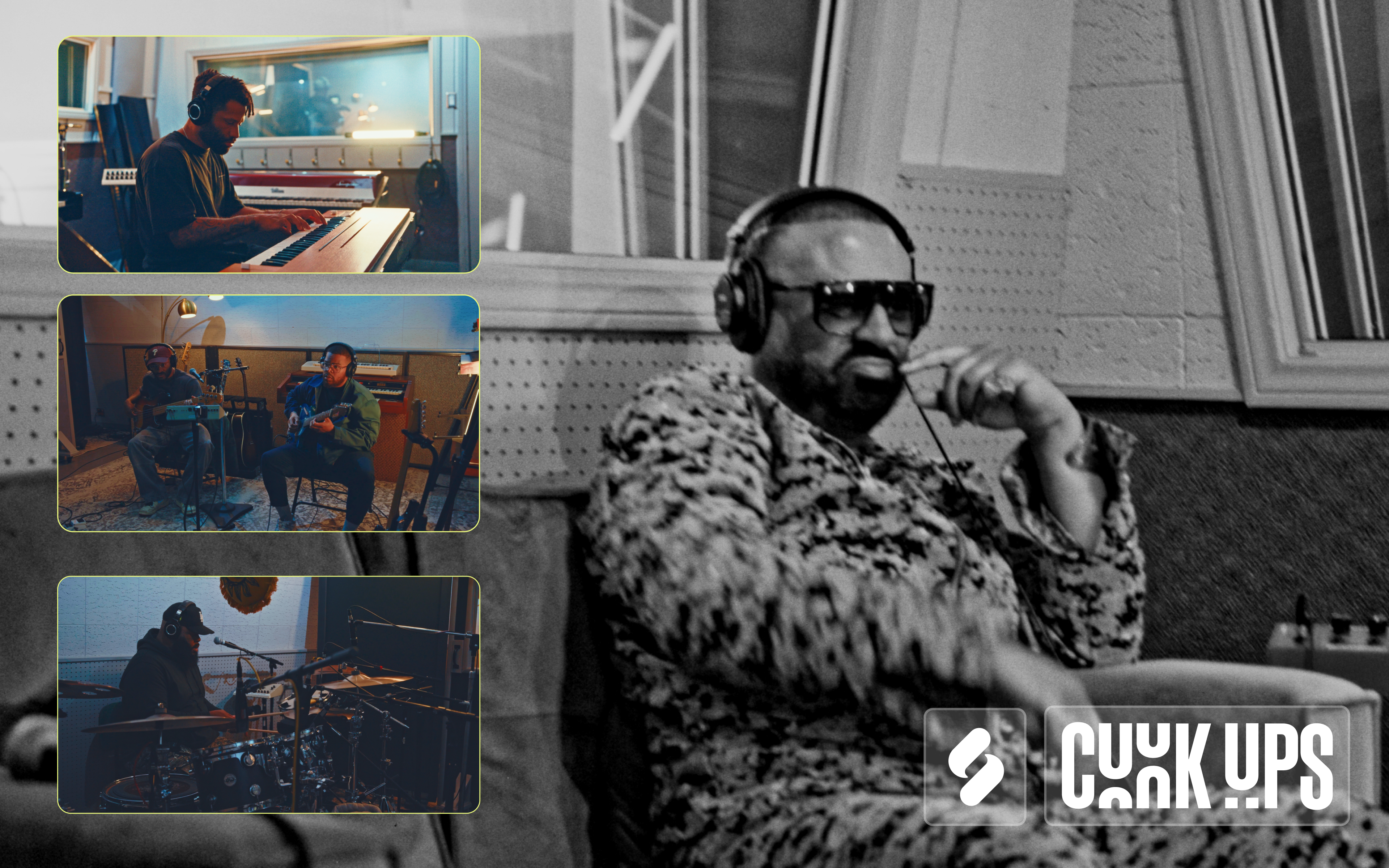
Watch hip hop legend Madlib and the Soul Surplus team as they craft a sample pack and discuss the creative process.
Download our free industrial drums preset for Splice INSTRUMENT—grab these presets during the drop window and they’re yours to keep forever.
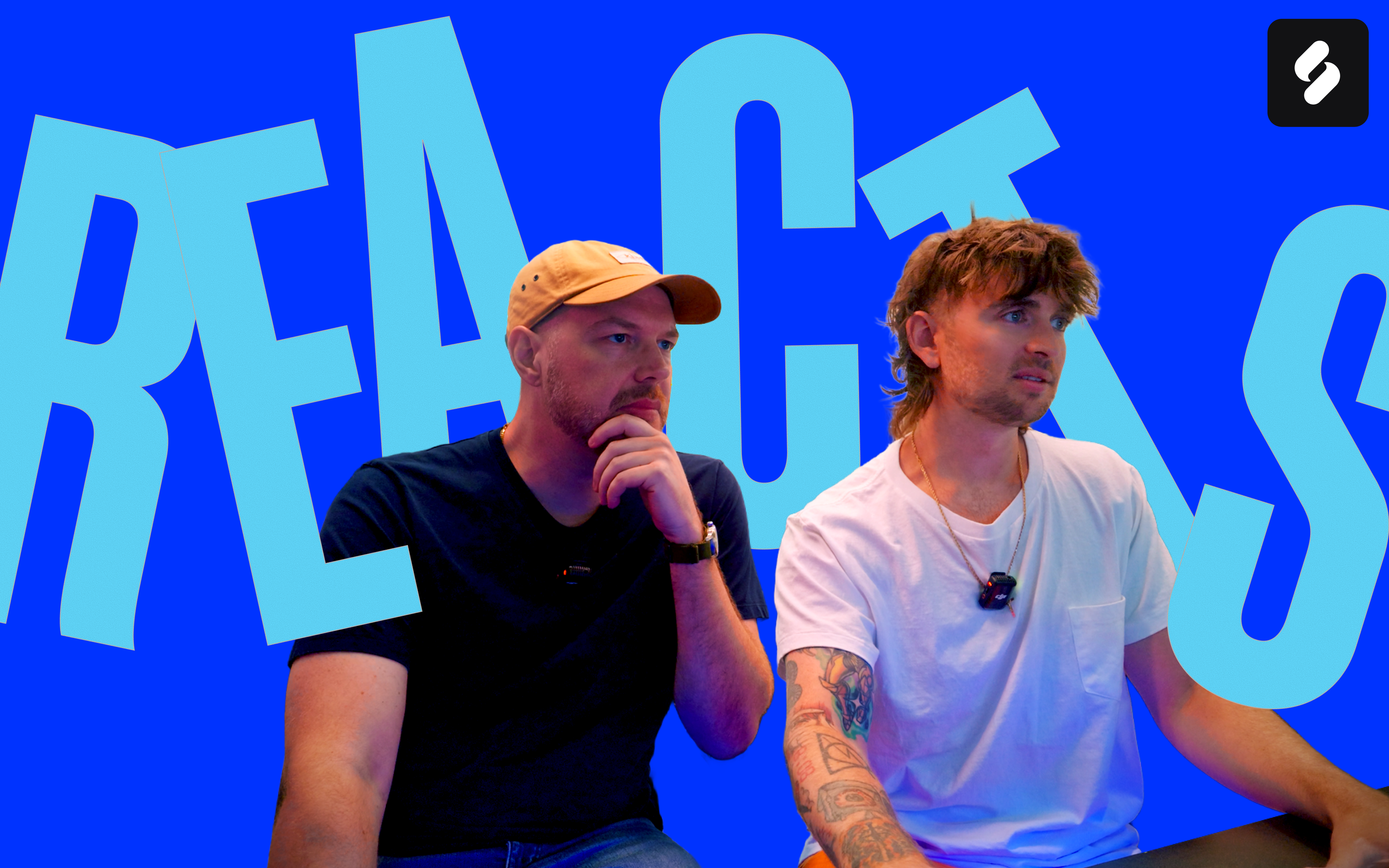
Watch acclaimed producers Oliver (BLACKPINK, Megan Thee Stallion) and dwilly (KATSEYE, bbno$) react to the Splice community's beat submissions.
Prolific producer, composer, and multi-instrumentalist Fire-Toolz shares her insights on sound design, sample creation, and more.
From non-negotiables to powerful add-ons, learn about all the equipment you'll want to consider for your home music studio setup.
Whether you’re singing, rapping, or podcasting, these are 13 of the best vocal microphones to consider in 2026.
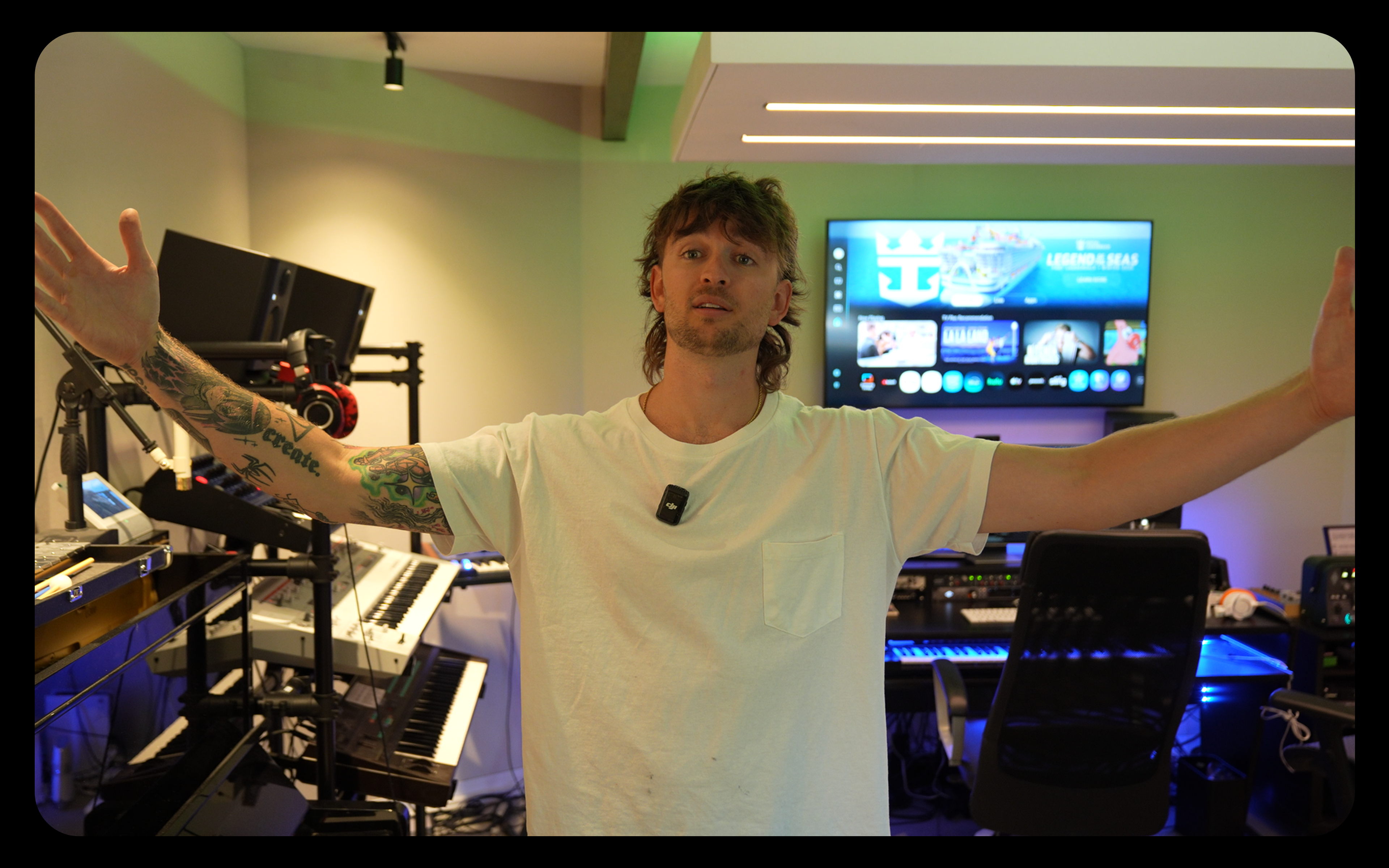
Producer, songwriter, and multi-instrumentalist dwilly (TWICE, KATSEYE, bbno$) gives an exclusive tour of his studio.
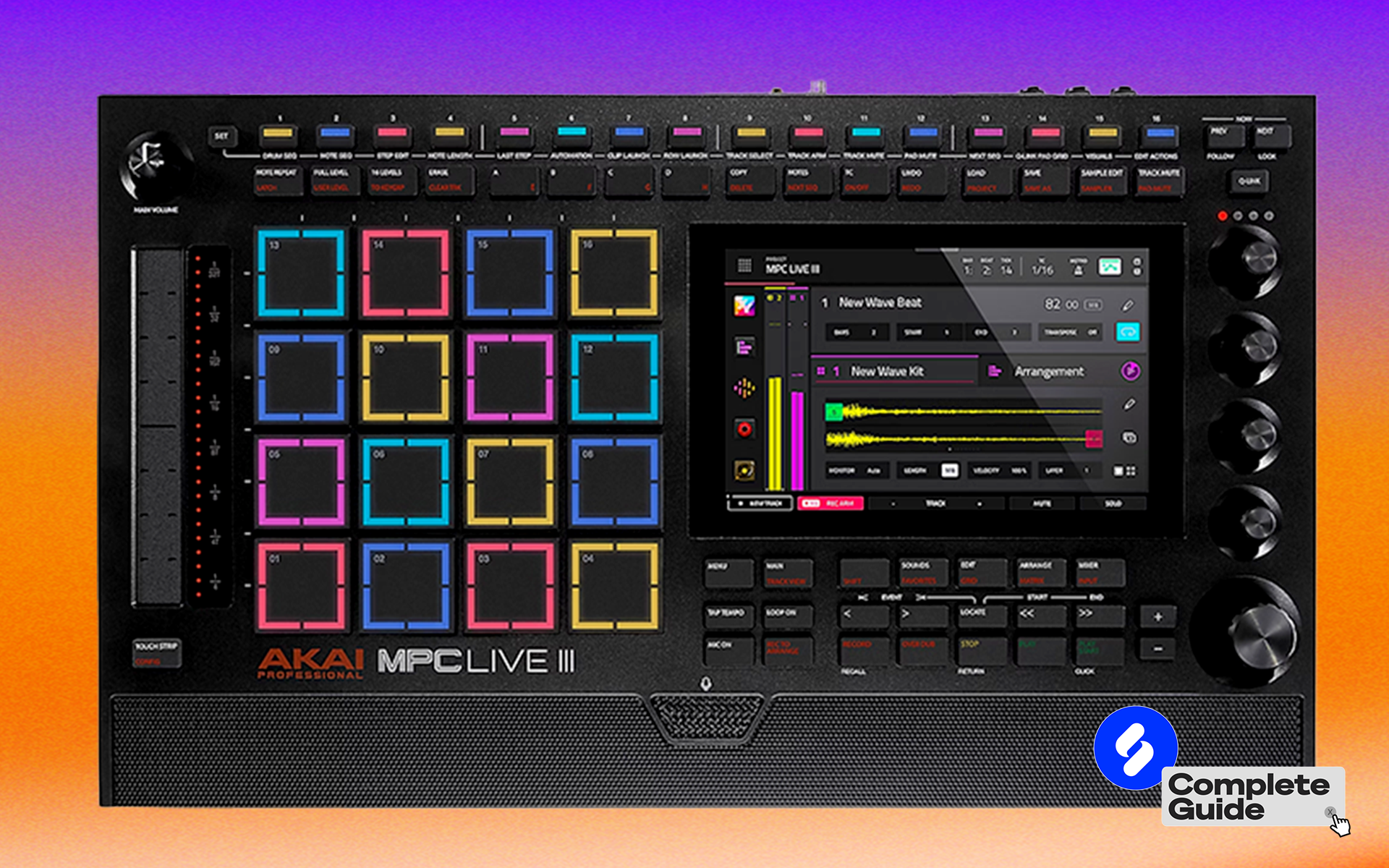
Dive into the setup, workflow, and core features of Akai Professional's MPC Live III, and explore its powerful Splice Sounds integration.
© 2026 Splice.com All Rights Reserved