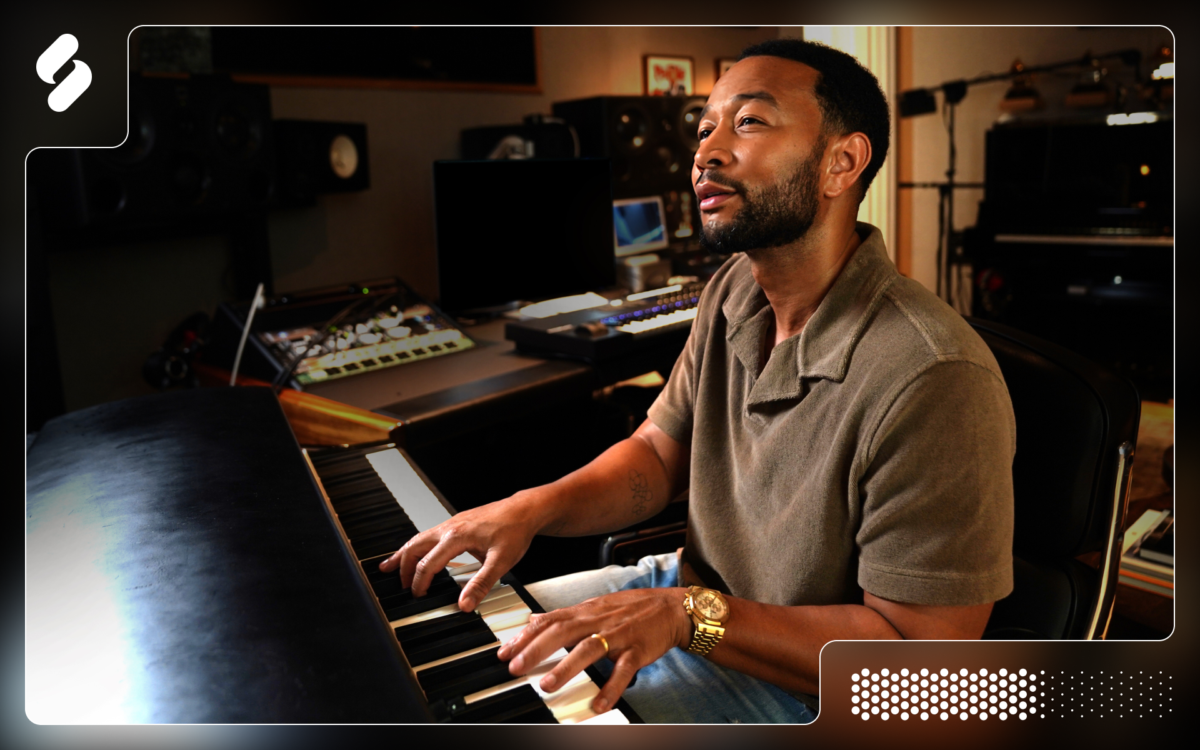
A year after the Ordinary People Piano came to Splice INSTRUMENT, John Legend is sharing the rarest of opportunities with you: playing the same epic, vintage, and indelibly warm electric piano he uses at his LA home.
It’s a sound he’s carried with him, literally, since before anyone knew his name.
“I would tote around my electric piano… in my trunk… in my Honda Accord… It was heavy, man,” he shares.
During our time with John, he talked about why this instrument matters to him, what he hopes for the next generation of musicians, and the importance of artists having control over their work.
“Going electric” is nothing new for John
Ask John about electric pianos and you get a ready-made playlist of generational music for your next party.
“Oh, I love those electric pianos,” he tells us. “I love those sounds. I immediately associate it with some of my favorite artists like Stevie Wonder, Donny Hathaway, Roberta Flack—some of those great artists that made music during a real golden era.
“Such an important part of my musical development was just diving into a lot of Stevie’s work from the late ’60s and early ’70s. That whole era—Talking Book, Music Of My Mind, Fulfillingness’ First Finale, Songs In The Key Of Life—it’s a run of albums that is pretty much unmatched in musical history. I always say Stevie Wonder is the greatest solo artist of all time. Fight your mama on that one, because that’s the correct take” [laughs].
Thankfully, I won’t have to fight my mom on this one—she’s the one who introduced me to the wonderful world of Stevie’s electric piano.
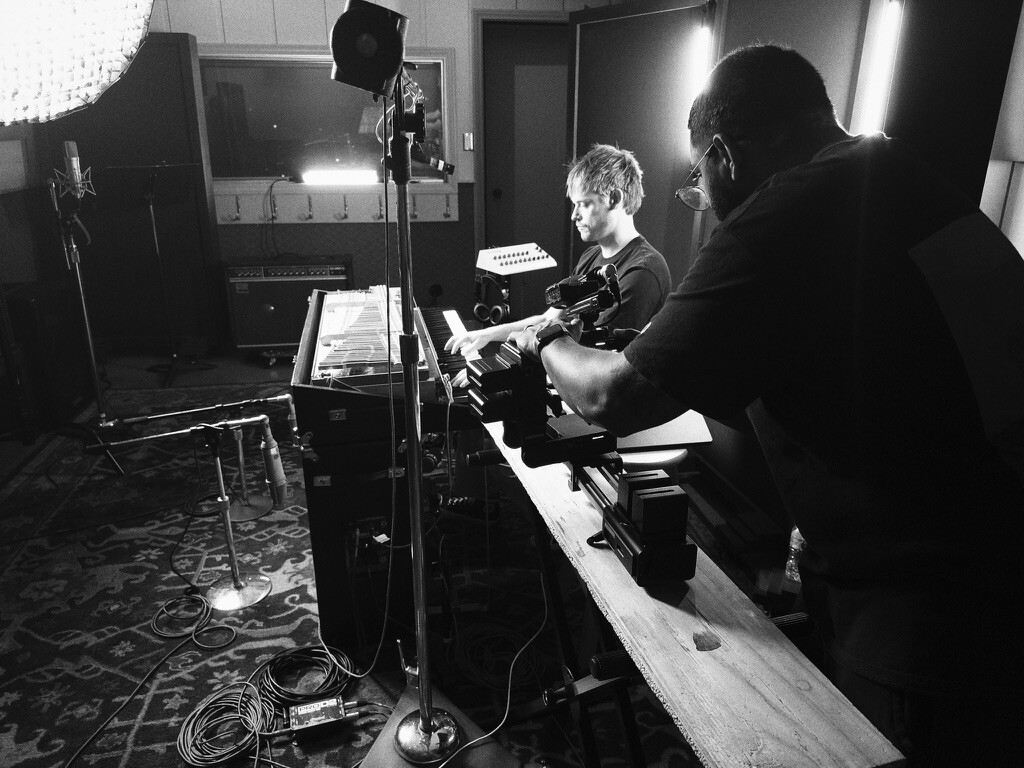
The warm, woozy, nuanced electric sound at the heart of so many John Legend songs now sits inside Splice INSTRUMENT: the electric piano, played by John, recorded with the intricate detail that our team at Spitfire Audio delivers with every new instrument.
John Legend’s advice to producers
When I asked John what he hoped for the next generation of creators, including his own children, his answer was delightfully low-tech.
“I want people to collaborate,” he says. “I want people to perform—do it with other people. I watch my daughter playing piano with her friends at school, doing school musicals. I watch her taking vocal lessons. All of these things are social activities. They’re connecting with other human beings, and they’re pushing you, challenging you to get out of your comfort zone and develop comfort being onstage, being in front of other people, being in a collaborative space with other people. Do all of that. Don’t just be stuck in your bedroom. Use art and music as a way to connect with other people.”
He also had guidance for how you can stand out as a producer amongst a seemingly constant onslaught of AI slop.
“There is something special about learning and growing and making mistakes, practicing, trying to get better and better at your craft, trying to develop virtuosity at whatever it is you do,” he shares. “With all the technological improvements we’ve seen, there may be a temptation to skip some steps. You can do that with some strategic insight, with some discretion—but it’s important to realize that you may lose something. Whether it’s playing piano or playing the saxophone or playing the drums… Part of your learning process, part of your growth process, part of what’s going to make your art unique, and different, is all the friction and learning you need to become really great at what you do.”
John Legend on the future of music
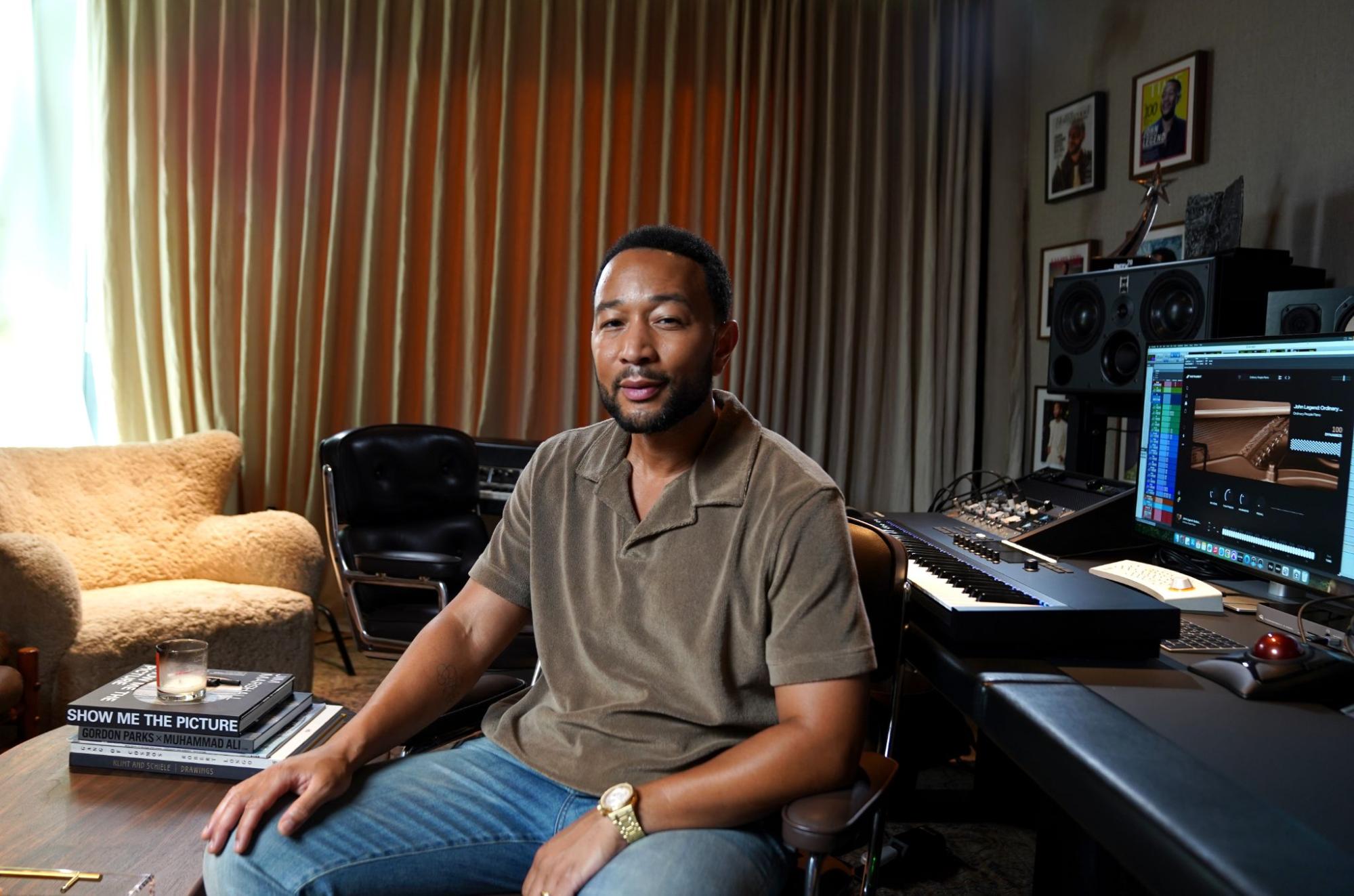
Speaking of craft, we asked John a potentially sensitive question: How does it feel when all of your life’s work, all of your relentless pursuit of craft, is sucked into an LLM that then spits out bland “John Legend type music” without compensation?
“It’s interesting thinking about the idea of training data, because in some ways, releasing music has always meant training everyone,” he reflects. “Music trains all those young songwriters out there. They’re being inspired. They’re listening to your work. And so the work that they create is all going to be informed by all the music they’ve listened to before.
“But when a machine’s doing it, it feels a little creepier. It feels a little more exploitative. I think every artist needs to make sure that they’re in control of their intellectual property, their legacy, and making sure that it’s valued and compensated in the world—it shouldn’t just be pirated and stolen.”
Get John Legend’s electric piano
John Legend: Electric Piano is available now in Splice INSTRUMENT.
Want two weeks of premium INSTRUMENT access on us?
October 27, 2026