.svg)
.svg)

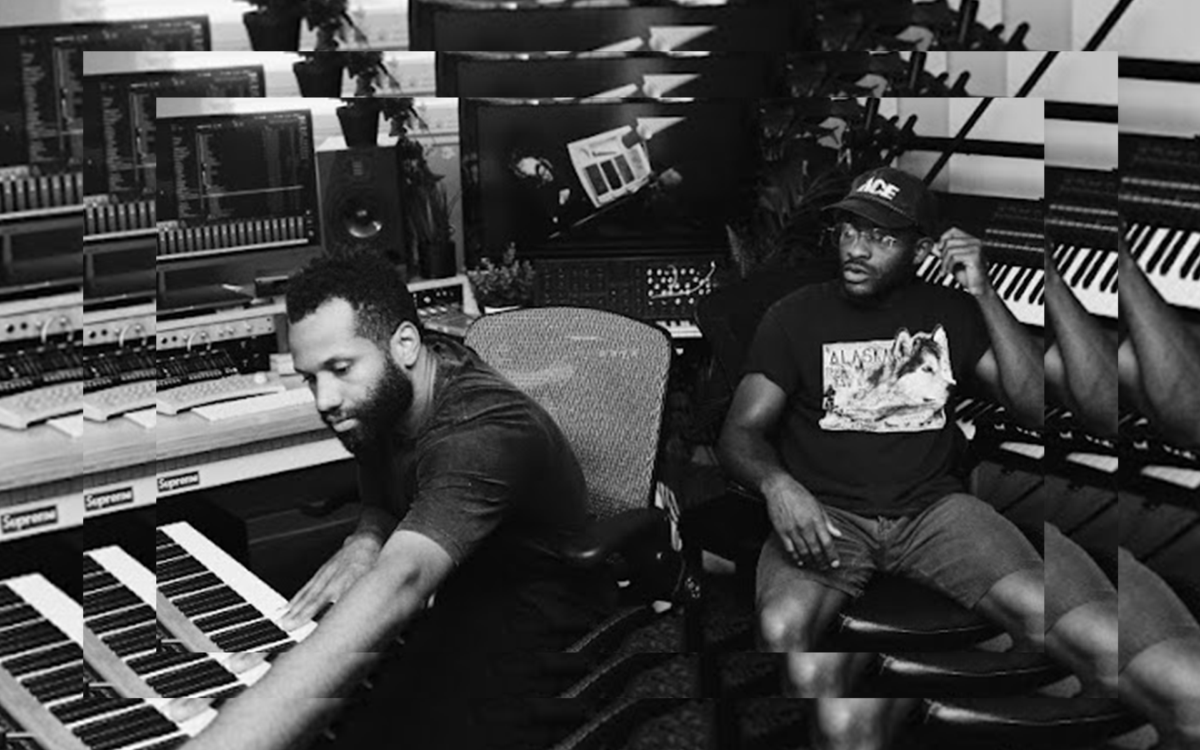
During a recent visit with middle school music students, the Soul Surplus co-founders shared practical advice on creativity, collaboration, and building a life in music.
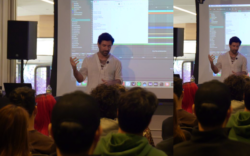
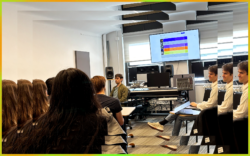
John and Joel McNeill of Soul Surplus recently joined students at St. Mary’s Episcopal Day School to talk music, creative careers, and the unexpected path that brought them to Splice. From studying English and mechanical engineering to building Soul Surplus and eventually joining Splice, their story showed students just how many directions a life in music can take.
But, rather than simply telling students how they got there, much of the conversation became about how they create and what young music makers can start doing right now.
Here are seven lessons from the conversation that work just as well in the classroom as they do in the studio.
1. Follow the interest before you know the destination
John and Joel were making music at the same age as the students they spoke with—but neither had a plan to work in music technology. John studied English, Joel studied mechanical engineering, and both simply kept making music along the way.
“You never know where your interests will take you,” John told the students. An interest doesn’t need to become a career before it’s worth pursuing. Make the beat, join the band, learn the software, or start the weird side project. You never know where it might lead.
2. Solve a problem you actually understand
Soul Surplus started by solving a problem John and Joel experienced firsthand. As sample-based producers, they wanted original sounds without the complexities of sampling existing recordings—so they created their own.
“A good business always solves a problem,” John told the students. “If you’re solving a problem for yourself, you can solve problems for so many other folks.”
3. Put a timer on your creativity
One of Joel’s most effective techniques is simply setting a timer for 15 or 20 minutes and making something.
In some Soul Surplus sessions, they create and record in short bursts, and then return the next day to listen with fresh ears. Some of their favorite ideas have started this way.
4. Record the weird idea
When a student asked if random sounds ever inspire him, Joel pointed to something as ordinary as a lawnmower outside his window—the right frequency can spark an entire song.
“Capture the idea before you judge it,” he says. Hum it into your phone, record the rhythm, and decide whether it’s good later.
5. Don’t wait to feel inspired
When a student asked about writer’s block, John’s advice was simple: keep showing up.
Referencing Steven Pressfield’s The War of Art, he reminded students that “inspiration always comes from doing.” Don’t focus on making something great—just start. Open the project, pick up the instrument, and try one idea.
6. Know when to walk away
Joel offered an important counterpoint: sometimes, the most productive thing you can do is stop.
Close the laptop, step away from the instrument, or take a walk. Creative discipline isn’t just about putting in the hours—it’s also knowing when an idea needs some space.
7. Make things and share them with people
When asked what successful musicians have in common, John and Joel pointed to generosity, collaboration, and sharing your work—not followers or streams.
Great creators practice their craft, but they also build community and learn from others. As John told the students, “There are things that someone’s going to be better at than you, and you’re going to be better at than them.”
Closing thoughts
The session ended with a fitting full-circle moment when a group of sixth graders introduced John and Joel to their own band, Pink Lightning. John and Joel immediately wanted to hear their music.
It was a reminder of why connecting classrooms with working creators matters. Students don’t need to know exactly where music will take them—they need opportunities to create, connect, and see what’s possible.
John and Joel didn’t know where making music at that age would lead either. They just kept going.
Ready to bring these ideas to your classroom?
Explore our educational resources, including free lesson ideas and our Magic Link program to get your students started:
October 7, 2026