Old School Salsa: Fusion Without Losing the Clave
Andrés Levin is a Venezuelan-born, Grammy-winning producer/composer; co-founded
Latin-fusion band Yerba Buena; known for cross-Caribbean collaborations and projects under
Tribe Caribe. Produced the In the Heights original cast album (Grammy winner).
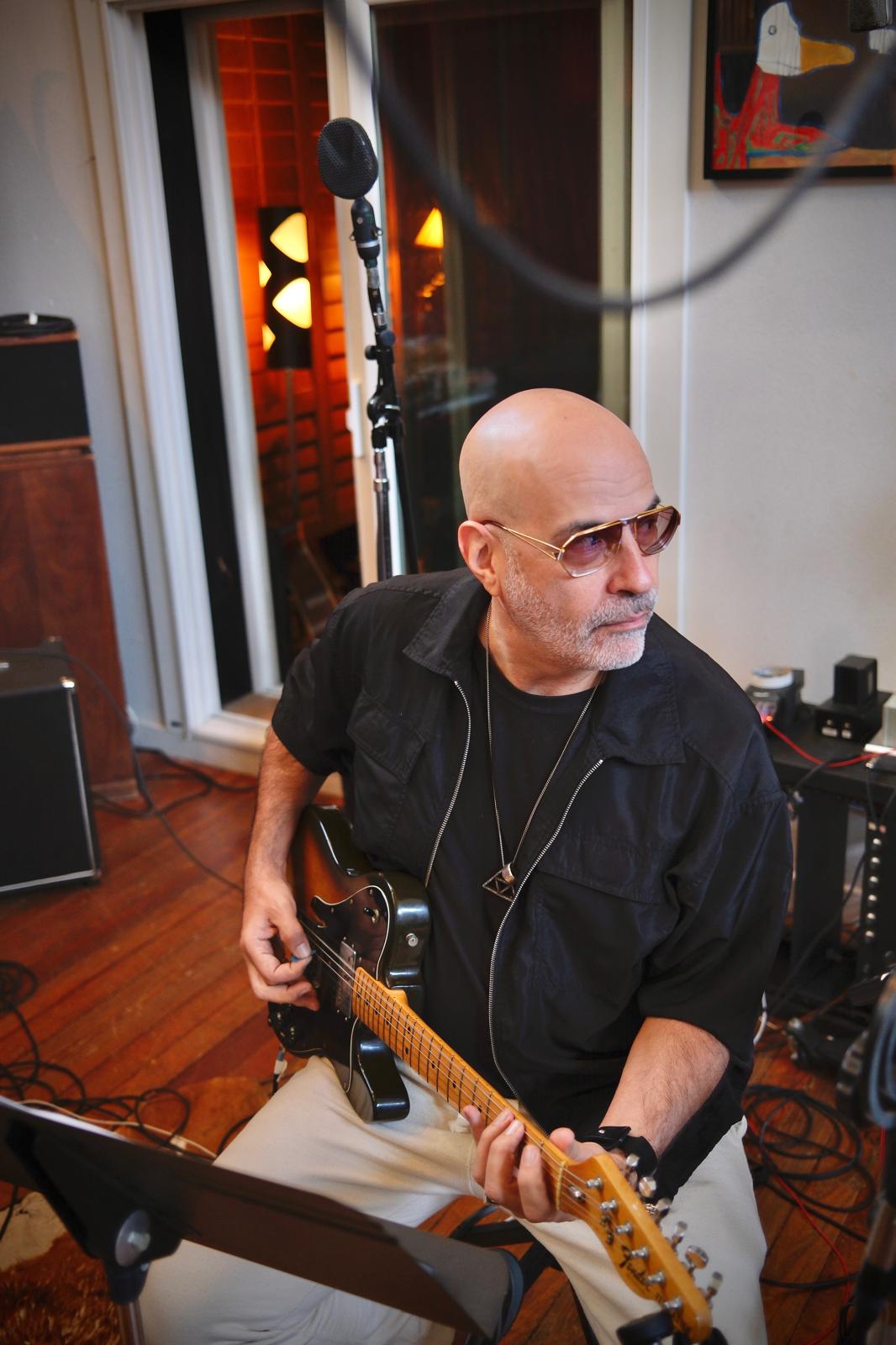
Jaxx Landry is a music producer/composer/guitarist; Latin Grammy–nominated credits; media
composer with ad/TV work (Don Julio “Por Amor,
” Coca-Cola, HBO Max’s Gordita Chronicles
theme) and creator for Splice as the creative lead for Tribe Caribe.
Our Conversation with Andrés and Jaxx
Splice: What does salsa mean to you personally? genre, movement, or a passport that lets you cross borders?
Andrés: Being born in Venezuela, living in Havana and New York City for so many
years, salsa is part of my DNA. My father played flute and saxophones in a salsa band,
and it represents, more of a New York melting pot musical experience, fusion experience
for me than anything else. It's a sum of the jazz, the Spanish colonizing influences, and
the Afro Cuban and African rhythms that inspire so much of, Venezuela, Colombia,
Puerto Rico, and New York. Second question, coming from Yerba Buena, Urban Fusion
roots, what elements of salsa feel non-negotiable versus fair game proven?
Jaxx - Being born in Puerto Rico and having lived there for most of my childhood, Salsa
was one of those genres that was always present, but I never really got into it until much
later in life. Through my friendship and working relationship with Andrés I’ve been more
immersed in Afro-caribbean music and its derivatives than ever before, which is a great
thing. This pack has been a great opportunity to dig even deeper into this great and
challenging style.
Splice: Coming from Yerba Buena’s urban-fusion roots, what elements of salsa feel non-negotiable versus fair game to bend?
Andrés: Very good question. The clave, not cool to go against it unless you're playing funk. The whole ethos and DNA of Yerba Buena was to respect all these traditions, but create a new sound by the fusion of the same. As far as bending rules, yeah. I mean, always bending rules. But again, don't be out of clave, and don't be out of the pocket.
Splice: You straddle media scoring and records - how does storytelling in ads/TV reframe your salsa instincts (form, hook density, motif clarity)?
Jaxx: When working for media such as ads or TV, you are almost always tied to a very specific brief demanding certain requirements to be met, which can sometimes compromise artistic integrity. That being said, it also makes you a very efficient musician and producer, since turnaround times are always insane and you must deliver the highest quality of music in the shortest amount of time. For this pack we pretty much took creative freedom while staying true to the style. We also took our time to get to a musical point where we felt the pack made sense and was cohesive. Salsa is a language, and as such it is very important to understand what makes it special and unique in order to recreate it faithfully.
Splice: How did cross-Caribbean and latin collaborations shape your “fusion without dilution” rulebook?
Andrés: I would say mostly is the amount of years of listening and hours of producing
that helped me develop a particular sound and a deep understanding of where the roots
and the innovation dance. It is very important to keep innovating the roots and changing
the context in which they are presented.
But anyone that knows about music and knows the roots and knows that what, at least,
I've been doing in production, is very much respectful of where it came from. So much so
that I try to push that to the next level.
Splice: DAW of choice and swing/quantize templates for salsa? do you grid to clave reference tracks or leave sections free-hand?
Jaxx: We tracked this pack in Pro Tools. Mixing and editing was done in Logic. We are always lucky to work with amazing musicians, so I try to not mess too much with the original feel of the recording. It’s mostly about nudging some transients here and there in order to make it Splice-friendly. Clave is fundamental in Salsa, so yeah, that tends to be our ‘grid’ so to say.
Splice: A collaboration that changed your sense of what salsa could hold—and what you took from it into Tribe Caribe.
Andrés: Well, I've been mixing salsa with African music, Cumbia, Flamenco, all kinds of genres for years. I can't really single one out other than the work I did with my own band Yerba Buena.
Splice: For loops/stems meant for a sample pack, what DAW decisions keep the analog salsa feel while staying stackable? mono vs. stereo calls, noise management, and preserving conga/campana transients?
Jaxx: Like I mentioned previously, most of the editing is about making every sound loopable in a DAW environment. This definitely affects the way we conceive the pack. We try to avoid pick-up notes, where a phrase starts before the first downbeat of a bar. Instead, we start phrases on the first downbeat or after it. Every instrument is recorded isolated so we don’t have to deal with bleed from other elements, this saves us a lot of headaches and makes the sounds much more appealing for the end user.
Splice: If you could hand a new producer three salsa records to study arrangement and pocket, which and why?
Jaxx: It's really hard to pick three albums. But honestly anything from Willie Colon, Ray Baretto, Eddie Palmieri and Ruben Blades. Of course there are many more masters of Salsa, but for anyone out there trying to wet their toes you can’t go wrong with any of their early stuff.
With Old School Salsa, Andrés Levin and Jaxx Landry bring their deep respect for tradition and love of experimentation into a pack that captures the heartbeat of the genre while opening it up for fresh expression. Whether you’re building on the clave, weaving Afro-Caribbean rhythms into modern productions, or simply exploring the language of salsa for the first time, this collection delivers the authenticity and energy you need. Download the pack today and bring the timeless spirit of salsa into your next track.