Sounds to encourage stillness: Searching for music in southern Iceland
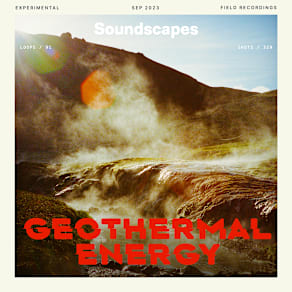
Charlie Van Kirk is a Brooklyn, NY-based audio engineer, producer, and composer. His work has received awards from London International, Sound on Sound Magazine, Association of Music Producers (AMP), Ciclope, Clio, One Show Interactive, Sundance, and La Guarimba Film Festival. The following words are an excerpt from an essay he shared on his experiences recording this sample pack.
“In the middle of the trek, a serac, or large block of ice, cleaved off the main formation and cascaded down into the valley like a terrifying thunderclap, echoing against adjacent cliffs. It was the kind of event that makes everyone present spin around and stare at each other with mouths open and pupils dilated. Later on, Josh and I crawled into a naturally formed ice cave and sang harmonies in the distinctive acoustic environment. We captured all of this with a variety of microphones built for surround sound and for responding to vibrations in physical surfaces.
If at this point you are wondering: turning ice sounds into music? What are you talking about? Let me explain. I am obsessed with making music from sound sources that one might not traditionally think of as musical instruments. This can mean sounds from the environment, household objects, or speech. The first time I encountered Steve Reich’s “It’s Gonna Rain,” something changed regarding the way that I think about music. The entire piece is based on the musicality and cadence of a preacher delivering a sermon. Reich samples short phrases of the sermon and repeats them over and over, allowing the words to adopt rhythmic and melodic lives of their own. The science of psychoacoustics supports our attraction to this - “Repetition Enhances the Musicality of Speech and Tone Stimuli to Similar Degrees” (Tierney, Patel, Breen, 2018) and “On The Interaction of A Sound With Its Repetitions” (Bilsen, 1968).
After studying music production in college, I recorded one audio sample from my environment every day for a year. Sometimes I captured the sounds with nice studio microphones and preamplifiers; sometimes I used my iPhone. At the end of the year, I made a short piece of music utilizing exclusively these sounds. That one year changed the way that I listen. The discipline of recording and cataloging everyday meant that I found myself paying more attention to my surroundings. I started noticing the way the old freight elevator would squeak in the Brooklyn building where I worked. I found that I could create a sound like a woodpecker by flapping the blade of a long serrated knife over the edge of a countertop. Standing outside at dusk in the Vermont summer, I listened to the variety of pitches as the crickets fired up their evening orchestra. Robert McFarlane explains his appreciation for sound beautifully in his book ‘Underland’:
‘I close my eyes and listen to the landscape - listen in a way I rarely do, letting each sound play and single itself out from the weave like a bright thread, trying to infer its source from its sound. I am trying to hear this landscape’s undersong - the substrate sounds of a given place, the ambient murmur that goes often unheard or at least unlistened-for. We cannot see behind ourselves, but we can hear behind ourselves. From all directions, sound flows in.’
Josh and I were joined on the tour with Oddur by a lovely couple from the Netherlands. Early in the hike, I asked if we could all stop and stand in silence for a minute in order to record a group of birds flying high up near a rocky cliff. The Dutch couple politely agreed. After I stopped recording, I thanked them for their willingness to play along. The woman, a doctor named Erika, looked at me with wide eyes and said: ‘That was wonderful! I would not have thought to do that, just to stand here listening for the birds.’ Our intended audience for this project is not just a group of musicians with esoteric tastes, but for Erika as well.”
We hope this pack inspires you to stand still and take in the sounds around you, no matter where you are.