Timeless: Olivia Dean and the Pull of Classic Soul
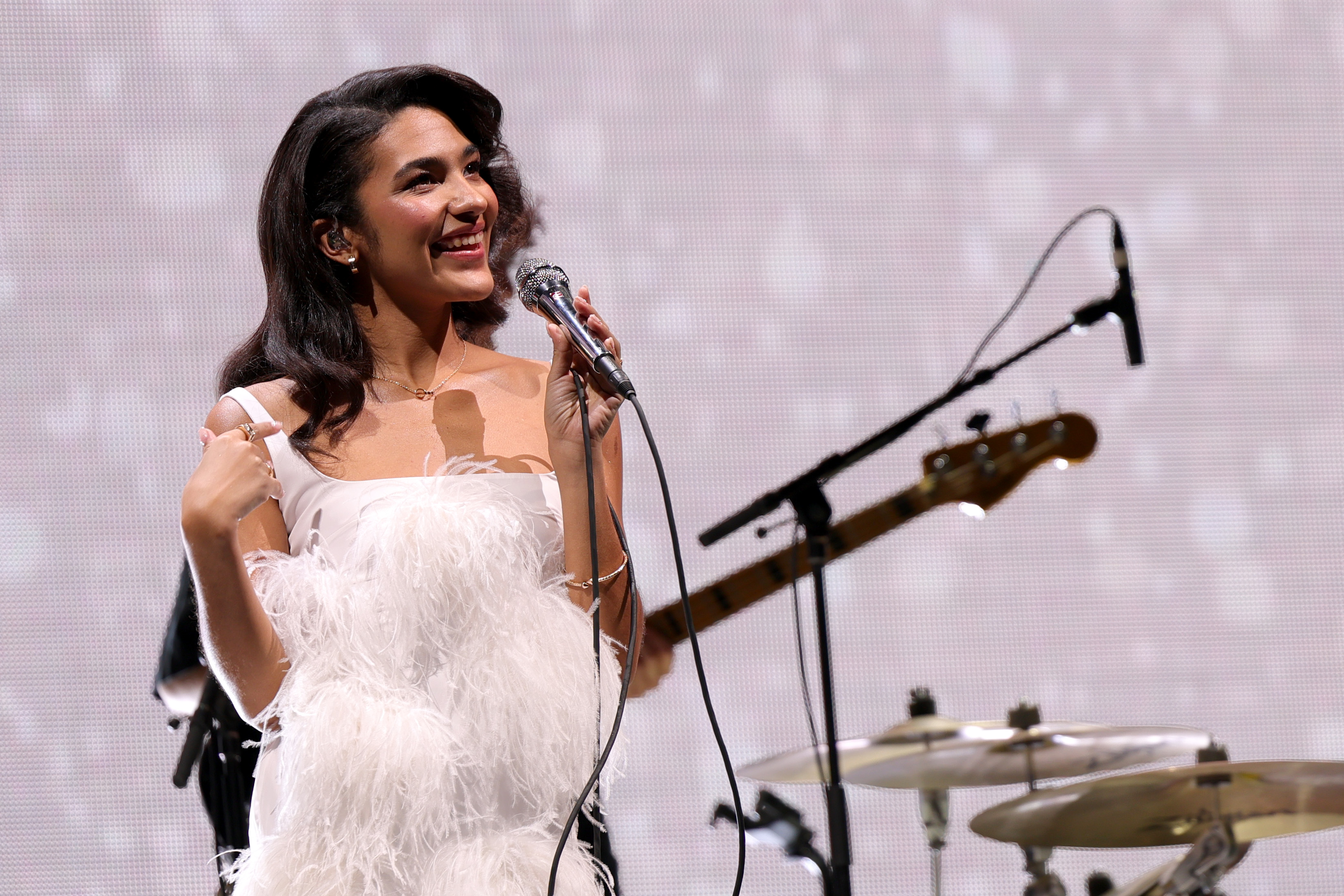
There's a particular feeling you get listening to Olivia Dean—the sense that it’s as familiar as it is new and fresh. It registers somewhere in the chest rather than the brain. It's the same warmth that made Motown irresistible in the '60s, that made Amy Winehouse's Back to Black feel ancient and urgent all at once. It's what happens when a songwriter stops chasing trends and starts chasing timeless sounds.
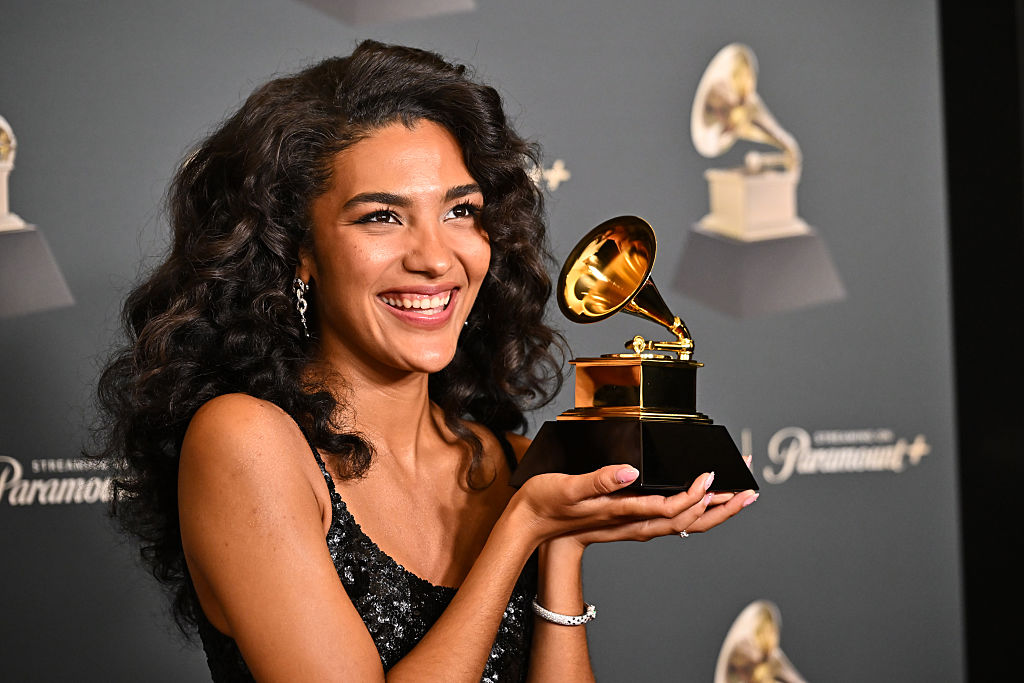
Dean's second album The Art of Loving (2025) earned her a Grammy and a Brit Award in early 2026 — but the more interesting story is how she got there. Raised on two record collections (her father played her Carole King and Al Green; her mother, Jill Scott and Angie Stone), she built a sound that sits on a fine line: traditional soul's emotional directness married to pop's instinct for the singable hook. Her influences run deep enough that her middle name is Lauryn —after the legendary Ms. Lauryn Hill.
What makes it land is the production philosophy. The Art of Loving sessions drew on Rhodes and Wurlitzer electric pianos, guitars, live congas, horns, and a full string ensemble. There are no shortcuts to that warmth—it's built note by note, the same way the records she grew up on were. Producer Zach Nahome described his process as entering a room with nothing and leaving with a song. No templates. The texture is literal, and the emotional authority that comes with it is something programmed sound rarely achieves on its own.
The lesson for producers is simple: timeless isn't the same as retro. Retro can be a costume. Timelessness is a result of architecture. Dean herself has described the challenge as breathing life into old-school music without embalming it-–and the answer every time is sincerity. Her songs don't perform their influences, they inhabit them.
Build It Yourself: Pop Soul by Soul Surplus
That's exactly the DNA behind Pop Soul by Soul Surplus— a 266-sample collection built directly in the spirit of Olivia Dean's sound. Glassy electric pianos, warm guitar chords, live-feeling drum grooves from Jerome Baylor, layered vocals from the amazing Danni Baylor, and song-starter loops, composed by producer Dave James, that already have that analog breath