A Library of Moments: Behind Joemade's POCKETEER
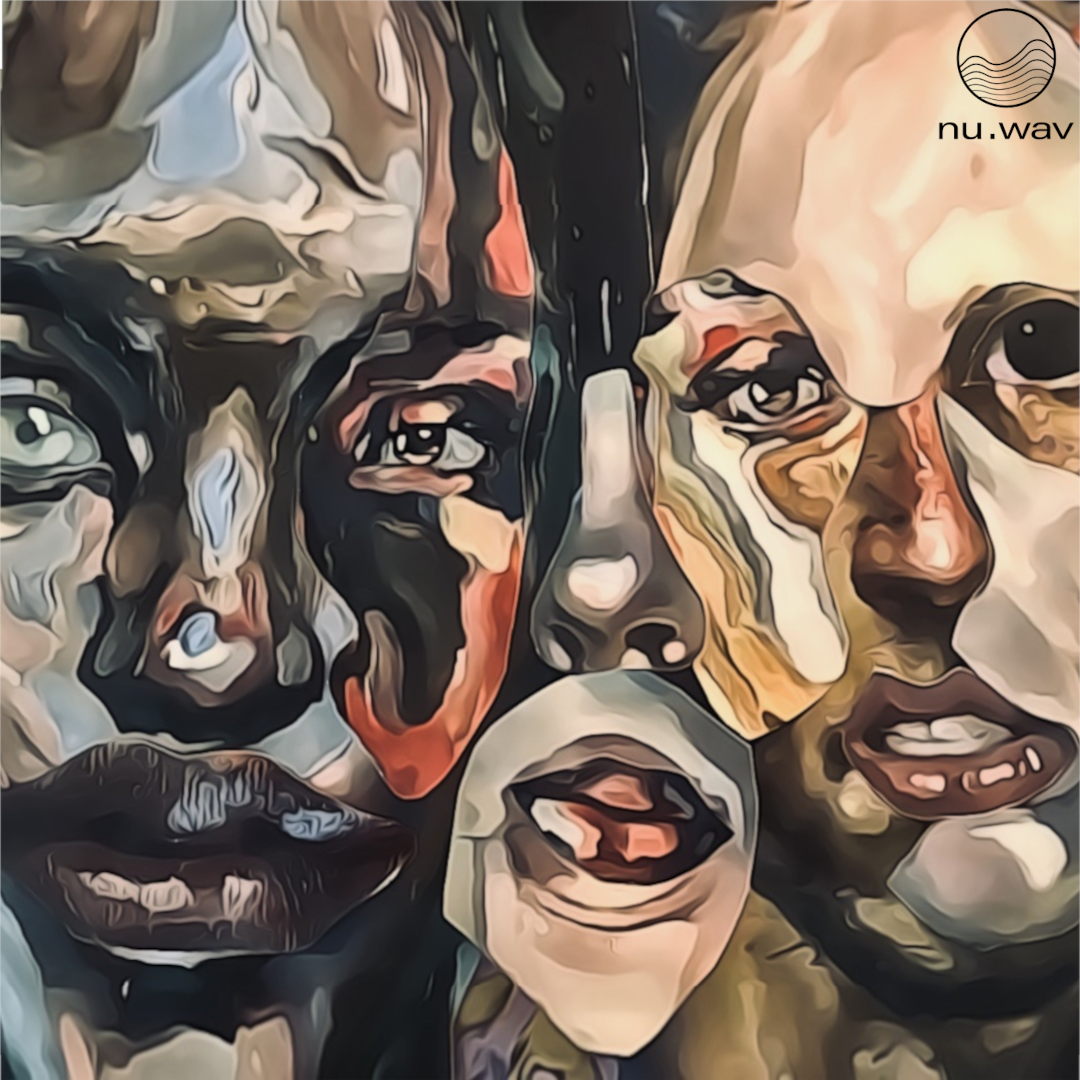
Crafted by Joemade, POCKETEER is an experimental R&B and trap sample pack built for grit, texture, and imperfection. Featuring over 300 sounds, every element was created using a mix of digital and analog hardware — from upright piano, guitar, and kalimba to signal chains running through the Chroma Console, real tape machines, and more.
Inside you’ll find saturated drums that hit with aggression, granular textures that blur the line between melody and noise, and earcandies made to fill that empty space with purpose. Whether you’re crafting mean, hard-hitting beats or deep, soulful soundscapes, POCKETEER equips you with the tools to craft tracks that feel alive, intentionally imperfect, and full of character — blending vintage warmth with modern edge.
Our Interview w/ Joemade
Tell us about your background as a musician – how did you arrive at making sample packs?
Music was only lightly sprinkled into my upbringing, but I’d still say music production was something I had to find and teach myself. The earliest musical seed probably came from growing up with a mom who was a theatre choreographer. She used to drag me along to her rehearsals after kindergarten, and I think that was my first experience watching something musical being produced—seeing her hit pause, make a revision, then hit play again… not too different from what I do now.
My actual journey as a producer didn’t start until much later. In my sophomore year of high school in 2017, YouTube randomly started recommending me music production tutorials, and I was instantly hooked. Even after my brief time messing around on FL Mobile, I was obsessed, and within a week I had convinced my dad to get me an FL Studio license.
For the next five years, I kept telling myself it was just a hobby, but over the last 2–3 years, I realized it was the one thing I always came back to. It had basically carved itself into my identity without me even noticing.
Sample packs came into the picture because of one very unproductive day. I remember feeling super down and uninspired, and I ended up reading a Reddit thread about “beat block.” Someone said that on the days you don’t feel like making full compositions, you should spend that time learning new techniques and building your personal sound library.
That really clicked with me—especially since I’ve always been a little obsessed with making everything from scratch. So I leaned into it, and before I knew it, about a year later I had a personal library in the thousands.
That’s pretty much what pushed me into making actual packs. At a certain point, I realized I was sitting on this massive collection of sounds I’d crafted from scratch, and honestly, I was hoarding way more than I was using.
Around the same time, I needed a little extra cash, and the idea of packaging pieces of my sonic identity and putting them out into the world felt both practical and really meaningful. I was a Splice kid early in my production journey—I used to download other people’s sounds and study them—so the thought of someone on the other side of the world downloading something that came out of my workflow still feels surreal and incredibly fulfilling. It’s a full-circle moment.
Listening to sounds in your popular Splice pack, POCKETEER. Each sound feels uniquely crafted – like it may have its own story… Can you tell us more about your approach to making and recording these sounds?
A lot of these sounds definitely have their own little story, and even if people don’t think about it that way, it still thrills me to imagine someone might pick up on that. As I’ve been making more and more sounds, it hasn’t been lost on me how saturated the space has become, so I feel this responsibility to make not just my sounds, but my entire process, as unique to me as possible.
I think about the butterfly effect a lot. I'm constantly asking myself, “What series of events had to happen for this sound to exist?”
One of my favorite examples is my Casio CTK-2000. It’s this rinky-dinky little sampler keyboard that has, unironically, become a core part of my sonic palette. The story behind it is really cool to me.
My friend Jack, also a musician, was working construction and got assigned to renovate an abandoned house. The former occupants had left a few things behind, and one of them just happened to be this Casio keyboard.
At the time, I’d been talking Jack’s ear off about music and hardware for two straight years—you could basically call him my designated musical yapping outlet—and I’m sure I brought up these goofy Casio sampler keyboards more than once. So the fact that he stumbled across one and thought of me felt almost synchronistic.
And Jack, being an absolute legend, decided it would get more use in my hands and gifted it to me. Shout out to Jack.
I never expected it to become one of my favorite sources of drum sounds, but it did, and within POCKETEER, that’s where you’ll hear its crunchy character the most. Even if I’m making the most basic little sound on that Casio, the chain of coincidences that brought it into my hands, and eventually onto Splice, gives the sound its own built-in meaning.
The piano sounds in this pack, especially the darker ones and songstarters – are especially compelling. What inspired those sounds specifically?
One of my most prized possessions is my Cable Nelson upright spinet, which is funny, considering someone on Facebook Marketplace actually paid me to take it off their hands. By a pianist’s standards, it’s really not a great piano, but to me it’s special.
I think the first thing that inspires my piano samples is the piano itself—the physicality of it. The feeling of each key triggering a chain of mechanisms, the quiet clatter of hammers and dampers in motion—all of that mechanical noise gives it a built-in texture I’ve fallen in love with.
While it naturally lends itself to soul and R&B, I’ve found myself drawn to it in darker, meaner contexts as well. Because it's become such an oversaturated, cookie-cutter sound in hip-hop, I like the challenge of giving it some type of artistic flair.
This darker style of melodics induces an interesting set of feelings, one of them being confidence, which I find super valuable.
This pack has had an unprecedented amount of success within the first 24 hours of releasing it. What do you think resonates most with Splice users?
The initial response was pretty shocking to me honestly. I’d like to think that the amount of thought I put into every sound in the pack is what shines through. I could also attribute some of it to the cover art, which I’m pretty proud of.
When you scroll through Splice, most covers make it clear they’re kits—which is totally fine—but I wanted to scratch that itch of crate digging. I think the cover kind of reads like an album.
I also can’t not shout out all my producer bros for being some of the first to download the pack in its entirety.
How do you hope producers will use the sounds from POCKETEER?
I like the idea of it living at either the beginning of the creative process— something that can spark an idea when you’re completely drained—or as the final detail that carries a song from good to great.
As cool as it would be to hear entire pieces made solely from POCKETEER, what resonates more with me is the thought of it woven subtly into someone else’s work—small traces of my sound finding a home inside theirs.
Any final words of creative advice to the Splice audience?
I encourage all artists and producers to keep your distance from generative AI. You wouldn't call yourself a chef after throwing a frozen dinner in the microwave, so don't call yourself a producer after using these “tools.”
This is a craft—something that requires love and practice—so it truly breaks my heart to see opportunism of this magnitude creep into the art form.
To end this on a more positive note, I actually feel optimistic in the long run. I choose to believe in the conviction of artists and consumers of art. Don’t forget why you started this journey. The value of your best work lives in the mistakes it was shaped by.
Embrace your failures. Respect your mind. Respect the process.
POCKETEER is a reflection of process, coincidence, and care—an intentionally imperfect collection of sounds built to live inside someone else’s music, carrying its stories forward in new ways.