SOLUNA: Global Sound Shaped by Culture, Travel, and Collaboration

Emerging singer, songwriter, and producer SOLUNA creates music at the intersection of cultures, languages, and sonic traditions.
Drawing from her roots across Catalonia, Argentina, and Angola (and now based in Lisbon) she has developed a distinctive style that blends alternative pop, Afro-Latin rhythms, reggaeton, tarraxo, and atmospheric electronic production.
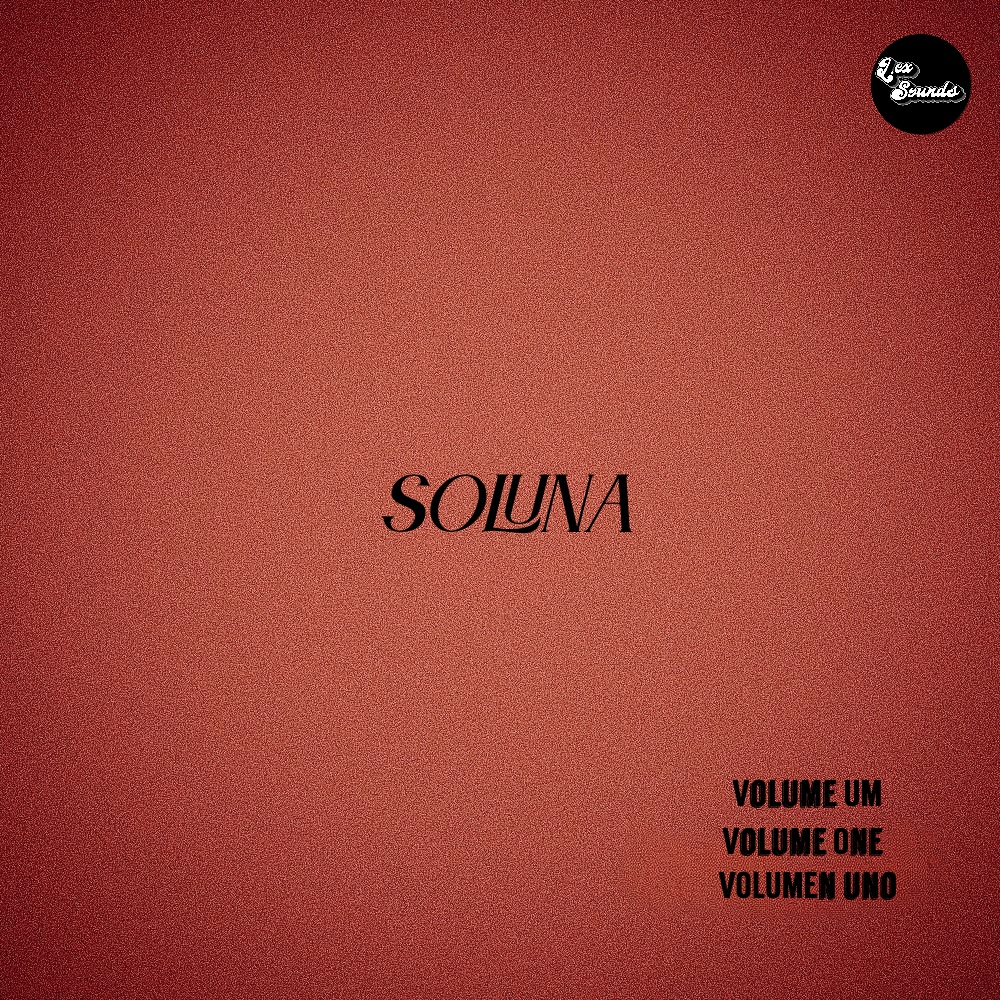
Her debut sample pack, SOLUNA Vol. 1, offers producers a window into that world. Filled with lush vocal phrases, expressive guitars, moody synth textures, and cinematic melodic elements, the collection reflects years of musical exploration across continents and creative communities.
Created during recording sessions spanning Barcelona, Madrid, Montevideo, London, Buenos Aires, and Lisbon, the pack captures moments of inspiration that might otherwise have remained unfinished sketches. Instead, they have found new life as tools for producers to reinterpret, transform, and build upon.
We caught up with SOLUNA to discuss her multicultural influences, creative process, and what it means to turn her artistic universe into a sample pack.
Your music blends influences from Spain, Argentina, Angola, and Portugal into a sound that feels completely your own. How has your multicultural and multilingual background shaped the way you approach songwriting and production?
It has definitely made me see music as a whole rather than something divided by genre or language. While I write mainly in Spanish, Portuguese has always been close to my heart because I grew up with an Angolan mother in a household where both languages blended naturally into everyday conversation.
English has also played an important role in my life as a way of connecting with cultures beyond my own, so I carry that influence with me as well. All of these languages and perspectives shape the way I write, produce, and communicate through music.
You describe your music as trilingual Afro-Latin alt-pop. What draws you to blending different musical traditions and languages together?
I was raised in an Argentinean-Angolan household in the heart of Catalonia, Barcelona. Growing up, we listened to artists like Bonga, Charly García, Rosario, and even Nat King Cole. My influences were naturally multilingual and multicultural, so my expression as a musician and artist developed the same way.
Blending traditions and languages doesn't feel like a conscious decision, it feels like the most authentic reflection of who I am.
This sample pack was created across sessions in multiple countries. Can you talk about where some of these recordings happened and how traveling influenced the sounds inside the pack?
This sample pack came together during my travels through Barcelona, Madrid, Montevideo, London, Buenos Aires, and Lisbon, where I'm currently based.
Many of these recordings began as unfinished ideas, half-completed compositions, or collaborations that I never thought would see the light of day. They were moments that felt meaningful but didn't always survive the natural creative process.
I never imagined they would eventually become part of a sample pack, so I'm very happy to be able to share all of this collaborative work and give it a new purpose.
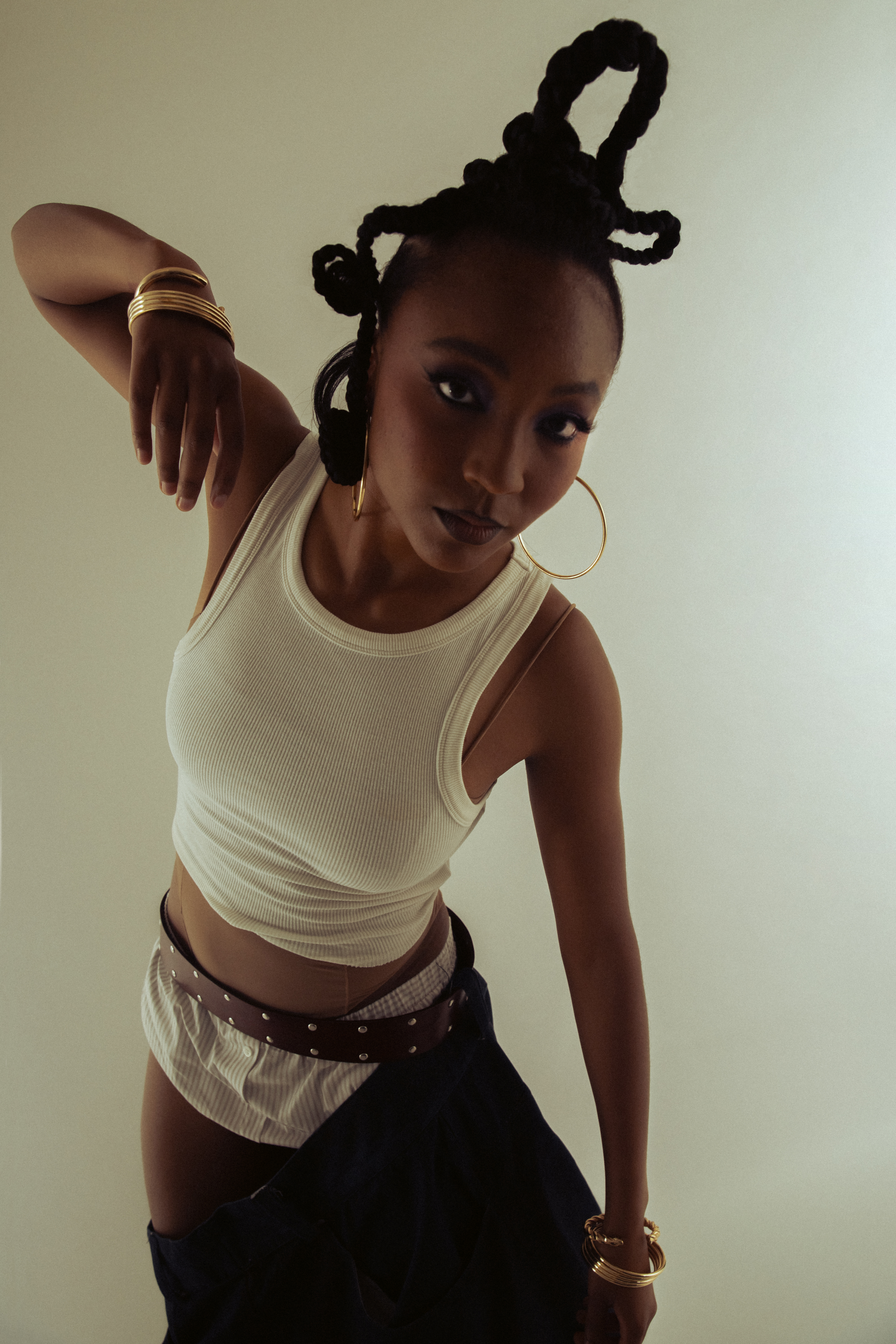
What excited you most about the process of turning your creative world into a sample pack for other producers and artists to use?
I'm excited to see how other people can transform these small fragments of ideas into complete songs and develop them into something I could never have imagined myself.
That's one of the most beautiful aspects of collaboration and sampling—seeing creativity continue beyond its original form.
The pack features vocals, synths, guitars, textures, and melodic elements that feel very cinematic and emotional. What kinds of moods or moments were you trying to capture while creating it?
Each city and each moment brought a different perspective and mood into the sample pack. The equipment and instruments available were often different from one session to another, which forced me to be creative in finding ways to achieve the sounds I was looking for.
Sometimes the circumstances themselves shaped the creative direction. Different musical encounters, different cities, the experience of traveling, local languages, and even subtle differences in pronunciation all became part of the creative process.
I wanted to capture those experiences and preserve them in the sounds.
Were there any particular sounds or recordings in the pack that came from spontaneous moments or unexpected studio experiments?
Definitely, most of them.
In one session, we had access to a large studio with incredible equipment, but we ended up using my phone as a microphone extension inside Ableton to record vocals and guitar.
It felt ridiculous at the time, but it produced this really interesting lo-fi character. From there, we focused on manipulating the recordings, sampling drums from claps and small sounds around us, and building something unique from those limitations.
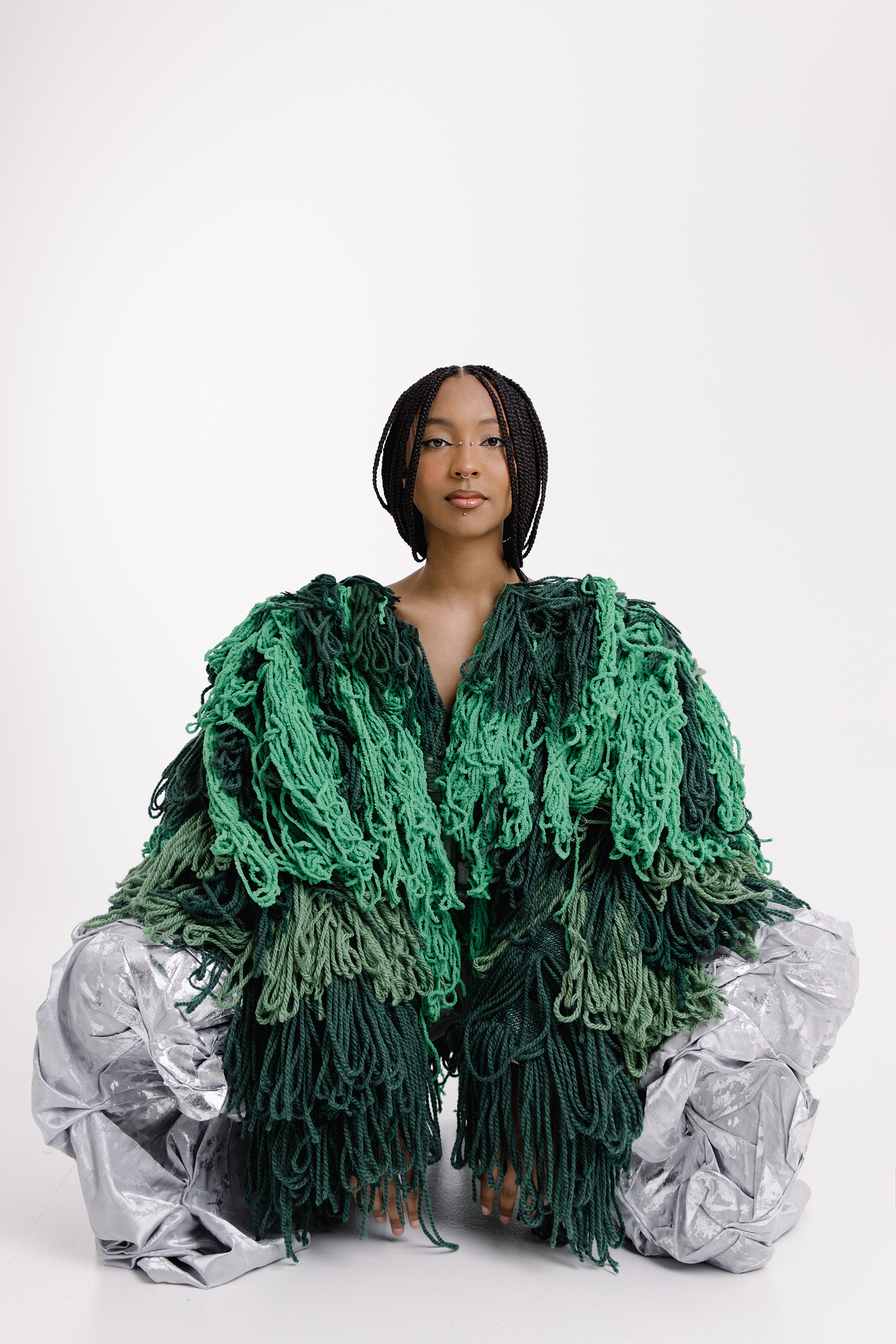
Your music often blends organic instrumentation with modern electronic production. How do you balance those two worlds in your creative process?
The balance comes quite naturally because I usually begin a composition on an organic instrument. Most often it's guitar or piano, sometimes bass, accompanied by vocals and improvisation before anything is recorded.
Once those ideas are inside the computer, the painting begins. The sounds need to find their place alongside one another. As I start shaping frequencies, adding texture, creating depth with reverb and delay, adjusting volume, or introducing distortion, the production gradually reveals itself.
The electronic elements become an extension of the original organic idea rather than a separate process.
A lot of producers will discover your artistry through this pack for the first time. What do you hope they take away from the experience of working with your sounds?
I hope the sounds feel inspiring and easy to work with. When I'm using samples myself, I need them to spark curiosity and push my imagination somewhere unexpected.
For me, the best samples aren't fully formed ideas that limit creativity. They're glimpses of something larger, small invitations to explore.
I also hope these sounds are versatile enough to enhance existing songs and inspire producers to take their work in new and creative directions.
How do you imagine producers using these samples? Do you hear them fitting more into Afro-Latin and alternative pop music, or are you excited to hear them transformed into completely different genres?
More than anything, I hope they encourage people to explore new creative possibilities.
Musical genres, to me, are as fluid as language itself. Just as words can take on different meanings depending on context, these sounds can evolve into completely different forms depending on who's using them.
That's what makes the process exciting.
As an artist constantly moving between cities, cultures, and creative communities, how has collaboration influenced your sound and artistic identity over time?
Collaboration has been at the core of my identity from the very beginning.
From my family roots to my musical expression, I've absorbed lessons from countless conversations, encounters, and creative exchanges over the years. All of those experiences have shaped me into the artist I am today.
I'm constantly evolving and discovering new music. As long as something sparks my curiosity, I'm willing to listen, learn, and be influenced by it.
Click the button below to download SOLUNA Vol. 1 today.