Capturing Spirit & Sound: Behind the Gagá Pack with Forever Island
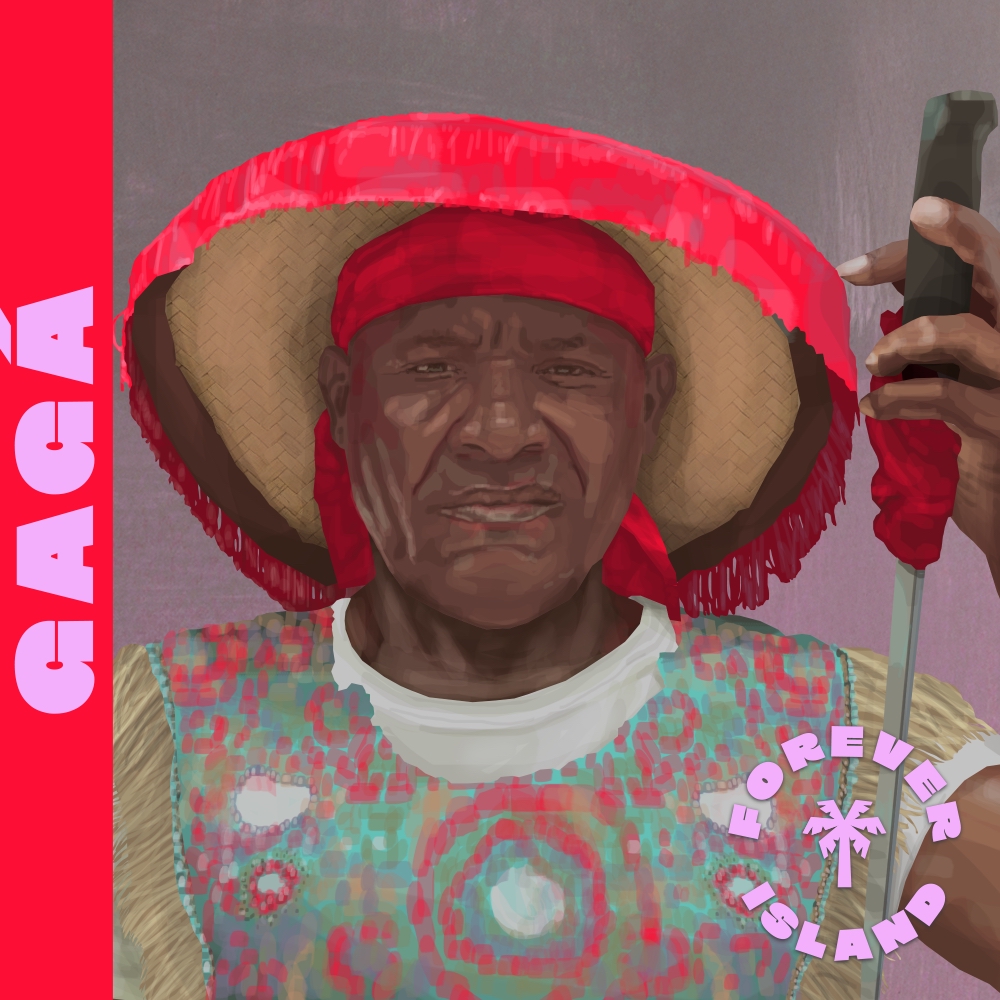
When Forever Island set out to record the sounds of Gagá in the Dominican Republic, the mission went far beyond traditional sampling. Rooted in spiritual practice and community gathering, these sessions required deep sensitivity, adaptability, and respect. What emerged was not just a collection of sounds, but a living archive of music, culture, and environment—complete with the imperfections, textures, and energy that make Gagá so powerful.
A Conversation W/ Forever Island
Splice: When recording with local musicians in the Dominican Republic, what were some of the creative or cultural considerations that shaped how you approached capturing sound?
Forever Island: The music we recorded was deeply rooted in spiritual and religious practices, often taking place in communal settings. Many of the musicians had never seen a microphone before, let alone recorded in isolation. Explaining the idea of overdubbing or solo takes wasn’t always easy or appropriate, so we had to adapt. We’d find the quietest nearby space, often someone’s home, to record isolated takes while remaining respectful of each congregation. Later, we’d rejoin the larger gathering to record the group performances in their natural environment. Being sensitive to the context and flow of the group was everything.
Splice: Can you walk us through your technical setup - what gear did you use, and how did you adapt it to unpredictable outdoor environments?
Forever Island: The setup was intentionally minimal and mobile. We used a Zoom H6 with the onboard XY stereo mic as a base, and added an Aston Origin condenser and a Sennheiser 421 dynamic mic when we needed more fidelity. Understanding the directional characteristics of each mic and staying flexible was key. If a sound source was too loud, too chaotic, or just not working, we’d quickly adjust the mic placement or try a different approach. Ultimately, we weren’t chasing “studio perfection”, we were capturing reality and embracing the imperfections.
Splice: How did you decide which sounds or moments would make it into the final pack, and what was the process of organizing or editing those raw recordings into usable samples?
Forever Island: Ethical decision-making was front and center. We were guests in a deeply spiritual space, and we drew a clear line: certain songs or rituals were not recorded at all, and others—though recorded, didn’t make the final cut because of their sacred nature. Discipline also played a big role in how to shape these packs - every night, we’d back up our recordings and lay them out in Pro Tools sessions, organizing the samples by performer, instrument, or event. That system made it easier to focus on creativity during the editing process, rather than getting lost in file chaos.
Splice: Were there any moments where the natural environment - wind, birds, street noise - became part of the musical texture rather than something to eliminate?
Forever Island: Absolutely. In fact, every sample in these packs carries traces of the environment. From the chirping of cicadas to distant street sounds, we embraced the sonic texture of the places we were in. It became the soundscape that supported the music. These weren’t sounds to clean up, they are the sound of real life! In some cases, the ambient recordings themselves became their own samples, which you’ll hear woven throughout the packs.
Splice: How did collaboration with local musicians influence the direction of each pack, and what role did improvisation or spontaneity play in shaping the final recordings?
Forever Island: Our role wasn’t to direct or produce in the traditional sense, but more to witness and document respectfully and ethically. The music in these recordings has been passed down through generations. It wasn’t about creating something new, but about capturing what was already there. Our job was to create a safe and comfortable space for the musicians to do what they naturally do, and to stay agile and responsive when something unexpected happened, because it often did!
The Gagá sample pack is more than a toolkit—it’s a window into a tradition that thrives on connection, spontaneity, and spirit. By weaving these sounds into your own music, you’re carrying forward voices and rhythms that have resonated for generations. Download the Gagá pack today and let its raw energy and authenticity shape your next creation.