Exploring Vocal Phonk 3: From Memphis Roots to Global Hits
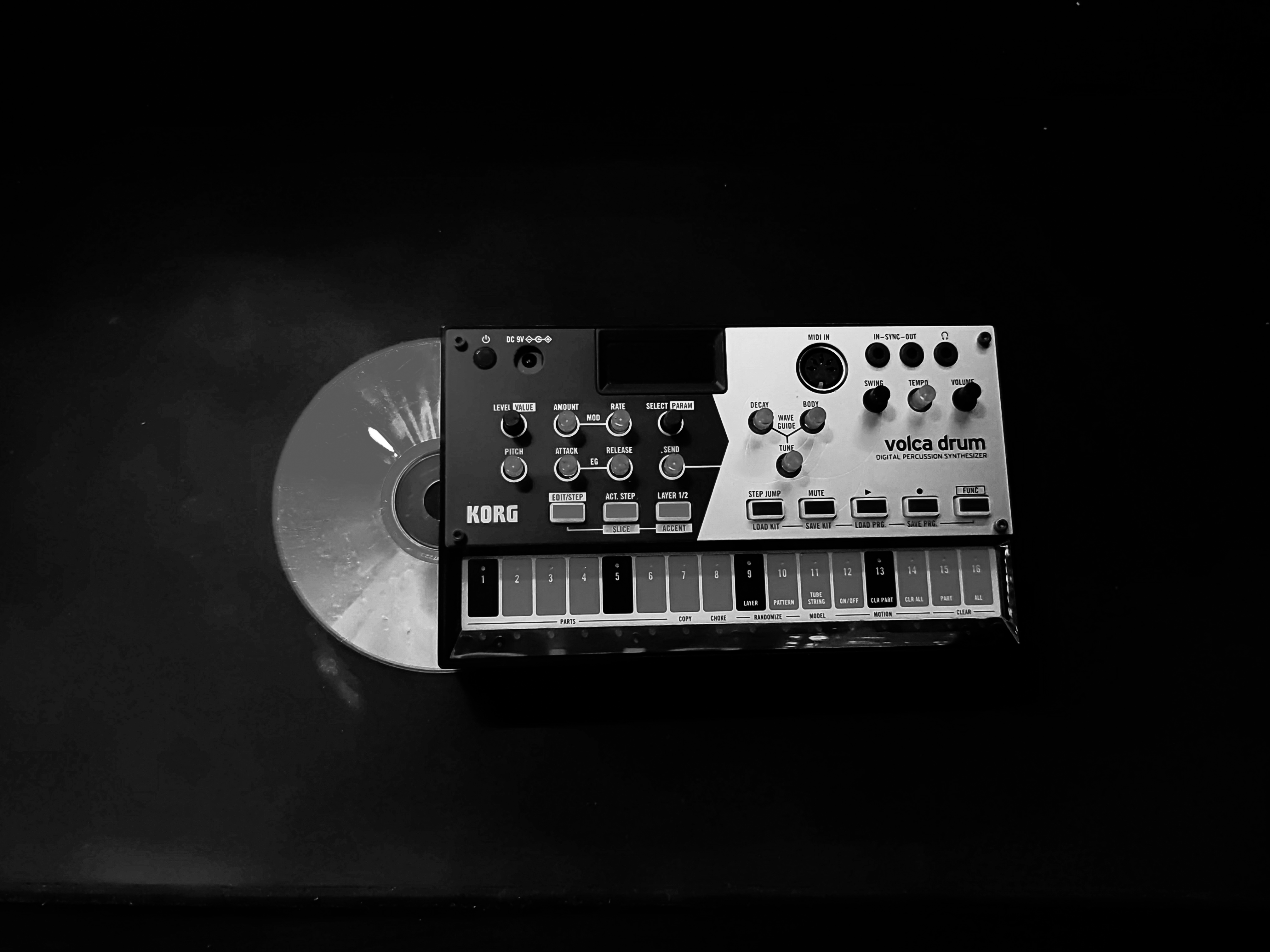
Vocal Phonk 3 takes a deep dive into the evolution of Phonk, a genre that has risen from mid-1990s Memphis lo-fi rap to a global phenomenon. With its signature tape textures, punchy 808s, and down-pitched vocals, Phonk has influenced not only hip-hop but EDM, K-pop, and drift culture online. This story explores its history, core sounds, and production techniques, offering producers an inside look at how to craft authentic Phonk tracks for modern audiences.
Our Interview w/ LXRY PXNK
Tell us about the history of this style of music. Where did it originate? What is the culture or story that surrounds its development? Are there related genres or styles that it merged or evolved from?
Phonk has its roots in mid-1990s Memphis: cassette-based lo-fi beats, slowed-down rap samples, and heavy 808s laid the foundation of the genre. In the second half of the 2010s, producers on SoundCloud sped up the classic groove and paired it with YouTube videos of nighttime street drifting. Drift phonk was born. With TikTok, the wave went global: by 2020, #phonk surpassed 1 billion views. The style has blended with trap, G-funk, chopped & screwed techniques, and even house-style rhythms.
Who are the key innovators of this style of music? What noteworthy artists are incorporating influences from it today?
Between 2018–2020, five producers brought Phonk from underground to streaming charts: Kordhell, Ghostface Playa, DVRST, Pharmacist, and Kaito Shoma. Memphis roots are maintained by DJ Smokey and Soudiere. Recently, Phonk elements have appeared in K-pop and EDM, expanding its audience.
How would you define the sound of this style? What specific instruments, musical patterns, etc. does it employ most often?
Phonk is instantly recognizable: fast-paced grooves, sharp cowbell hits, and tape-like textures. Its “DNA” includes 130–170 BPM tempos, thick 808 bass with glide and distortion, punchy snares and claps, tape noise and flutter, down-pitched Memphis rap vocals, horror effects, vinyl scratches, and aggressive clip-limited mixing for mobile clarity.
How do you approach telling the story of this style of music through your sounds? Are there specific compositional, recording, or sound design techniques that you gravitate towards?
Production follows a five-step framework: Tape emulation to add noise and pitch fluctuations; controlled degradation via 12-bit bitcrush and frequency cuts; layered 808 cowbells merged with compression; vocals pitched down 6–7 semitones with tape saturation and reverb; and structural adaptation with short intros, quick drops, and 15-second loops optimized for short video formats.
What makes this style of music special to you? What inspired you to create sounds that revolve it?
Phonk demonstrates how analog aesthetics and digital platforms coexist. Independent producers can reach global audiences, blending retro textures with modern bass pressure, encouraging hybrid sound design exploration.
Are there any other insights you'd like to provide readers around this style of music?
Key milestones highlight Phonk’s growth: over 60,000 tracks tagged “phonk” on Spotify; the “Drift Phonk” playlist has 5M followers; TikTok’s “Phonkytown” surpassed 3B views; tracks featured in Need for Speed Heat; #driftphonk has 2M Instagram posts; Formula Drift USA used “Murder In My Mind” in 2022; Spotify Wrapped 2024 shows Phonk listeners play 35% more than average; and Japan’s kanjo phonk subgenre emerged from nighttime races on Osaka’s Kanjo loop.
With its blend of vintage Memphis textures and modern digital production, Vocal Phonk 3 offers producers a complete toolkit for creating authentic, dynamic Phonk tracks. From punchy 808s to down-pitched vocals and tape-style effects, the pack provides everything needed to craft tracks that honor the genre’s roots while appealing to a global audience.