Inside G Tech House: Precision, Power, and Peak-Time Energy
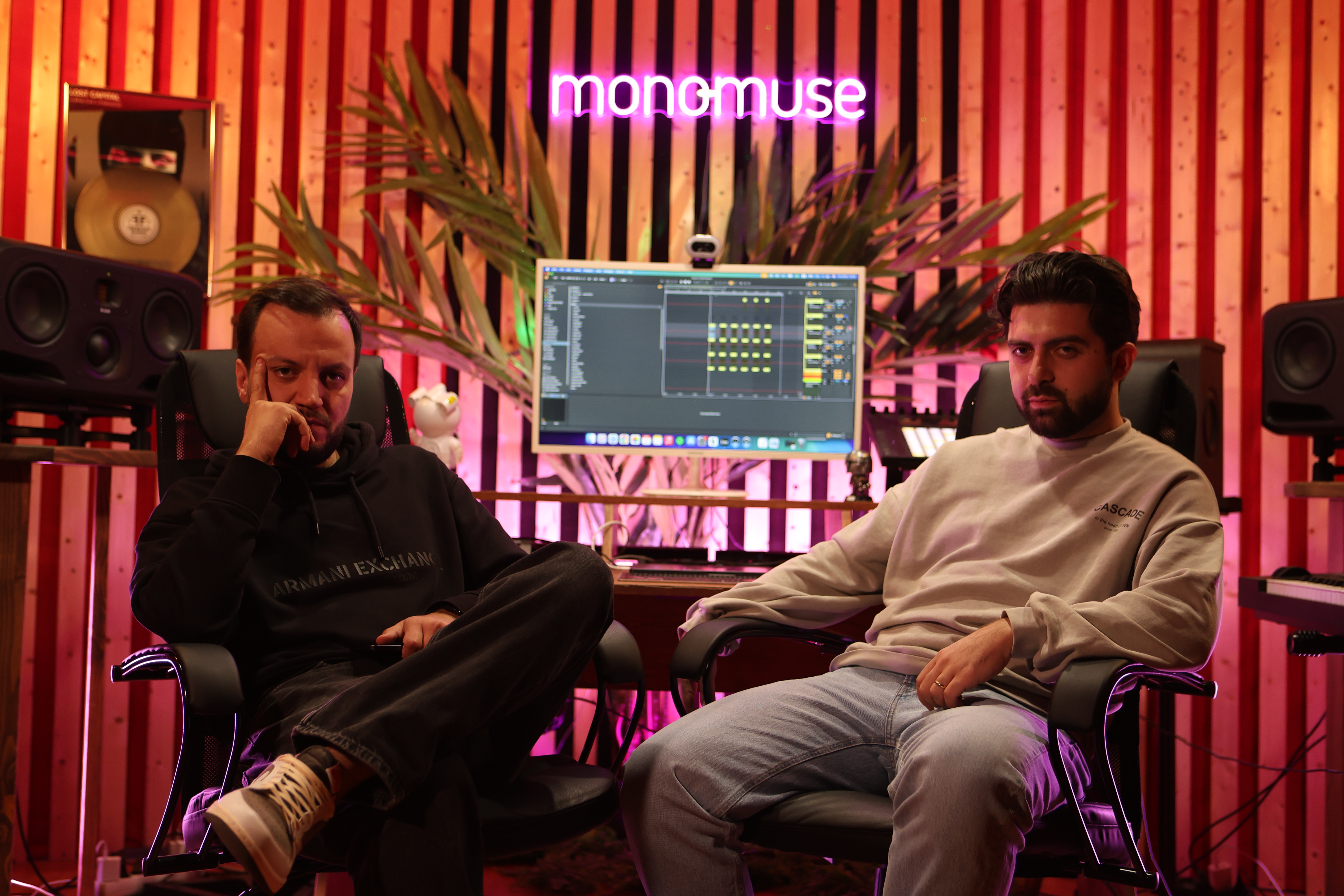
G Tech House has quickly carved out a lane of its own within modern club music — sharp, minimal, and relentlessly groove-driven. Emerging into the mainstream in 2024, the style refines tech house’s underground roots into something tighter and more focused, built for peak-time sets and high-impact dancefloors. With rolling percussion, distorted Reese basslines, and precision-engineered arrangements, G Tech House strips away excess and doubles down on momentum, proving that subtle details can drive massive energy.
Tell us about the history of this style of music. Where did it originate? What is the culture or story that surrounds its development? Are there related genres or styles that it merged or evolved from?
G Tech House is a variant of modern tech house characterized by tight, rolling grooves combined with minimal, tech-driven sounds. It came into the mainstream in 2024 with artists like Max Styler, HNTR, Chris Lake helping to define its sharp, club-ready style. The sound originates from tech house, which grew in underground clubs where house rhythms met techno energy. G Tech House focuses on percussion, basslines, and techy textures to create a driving, dancefloor-focused experience. Today, it represents a modern, high-energy branch of tech house: precise, minimal, and perfect for the club.
Who are the key innovators of this style of music? What noteworthy artists are incorporating influences from it today?
G Tech House is shaped by innovators like Max Styler and HNTR, which defined its tight grooves, minimal arrangements, and tech-driven club sound. Today, it's hearing its elements combined in new ways in the productions of Marten Horger, Chris Lake, FISHER, John Summit, keeping the style fresh and dancefloor-focused.
How would you define the sound of this style? What specific instruments, musical patterns, etc. does it employ most often?
G-Tech House is a tech-driven and club-focused style, based on tight, rolling grooves and minimal, punchy percussion. It often makes use of distorted Reese basslines, strong kicks, hi-hats, techy synth stabs, and rhythmic vocal samples to create a driving, hypnotic energy. This is music that does rely on loops and subtle changes, really working the floors and keeping them moving-perfect for peak-time club and festival sets.
How do you approach telling the story of this style of music through your sounds? Are there specific compositional, recording, or sound design techniques that you gravitate towards?
We capture G Tech House with tight percussion, Reese basslines, and distorted big saw synths that keep the energy moving. Layered rhythms, punchy kick, and minimal vocal chops build momentum, while carefully thought-out arrangement and automation create tension and release on the dancefloor.
What makes this style of music special to you? What inspired you to create sounds that revolve it?
What makes G Tech House special to us is its precision, energy, and groove fully focused on the club. We create the sounds that capture that dancefloor energy but give the producer tools to craft their own dynamic tracks. Additional Insights into G Tech House G Tech House is all about rhythm, groove, and energy; it's less about melody and more about creating a driving, hypnotic club experience. Small things, like how percussion is layered, techy synth textures, and tight arrangement, make a big difference in keeping tracks dynamic and dancefloor-ready. For producers, it’s a style that rewards precision, experimentation, and subtle sound design to make every beat hit hard.
Are there any other insights you'd like to provide readers around this style of music?
G Tech House thrives on subtlety and precision. Its power comes from the way small rhythmic details, percussive variations, and tight sound design choices shape the groove. Because the style relies less on melody and more on momentum, producers can create a big impact through minimal elements: carefully layered percussion, evolving textures, and controlled automation. It’s a genre where experimentation within strict boundaries pays off, and where every sound has a purpose in driving the dancefloor forward.
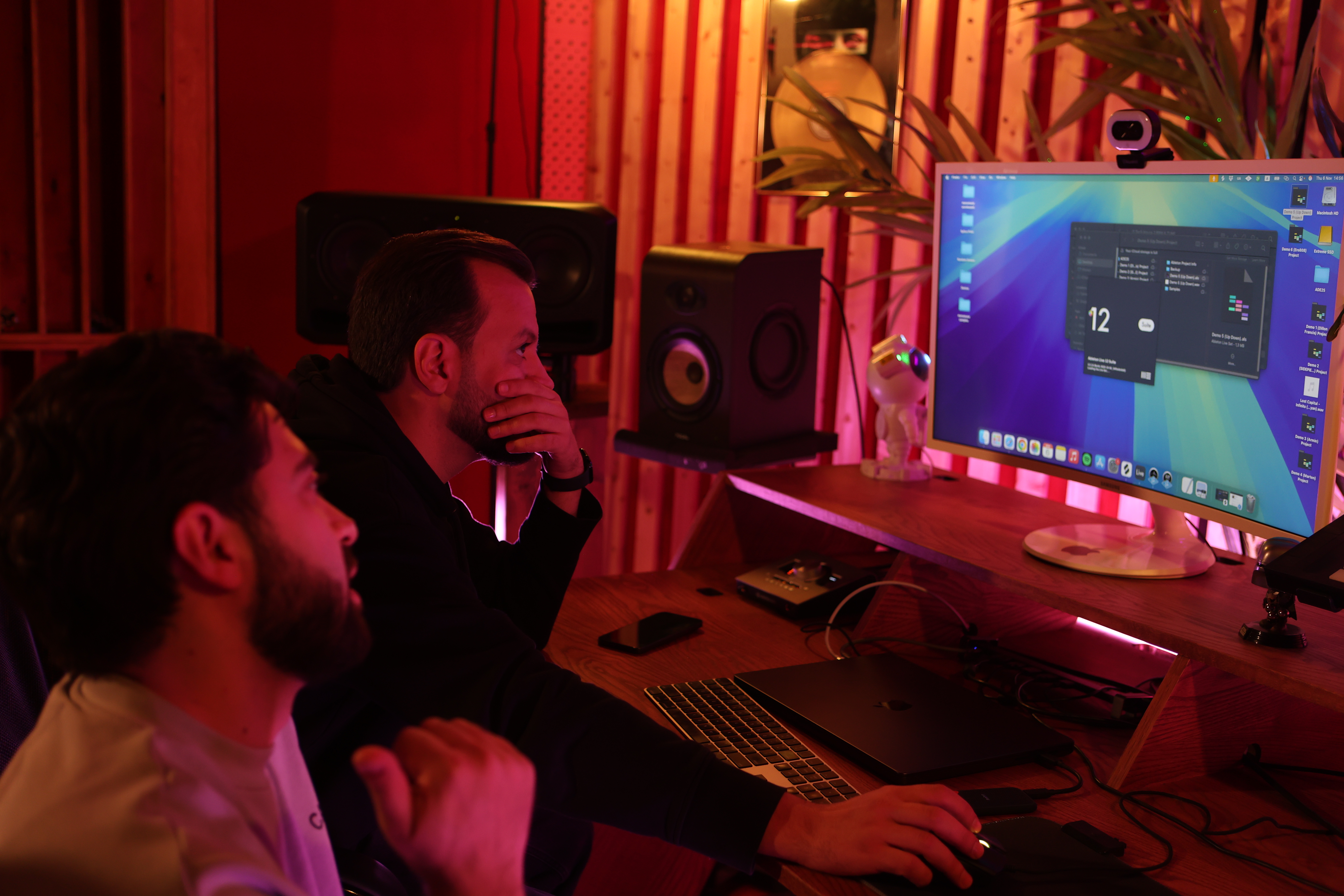
At its core, G Tech House is a study in control — where small percussive shifts, evolving textures, and carefully automated tension make the biggest difference. It’s less about melodic hooks and more about movement, groove, and hypnotic flow. For producers, it’s a genre that rewards discipline and experimentation within tight boundaries, where every sound has a purpose and every beat pushes the dancefloor forward. In that precision lies its power.