A Dance Floor Lineage: From Disco to House to Pop w/ Stase
Dropgun Samples proudly presents Disco Pop House, crafted by Stase — a dazzling blend of retro-futuristic funk, soulful vocals, and dancefloor-ready grooves inspired by artists like The Weeknd, Justice, Purple Disco Machine, PNAU, Duke Dumont, and more.
This collection captures the essence of modern disco with a house-driven pulse—designed for producers who want their tracks to shimmer with nostalgic flair and contemporary punch.
Featuring 1,242 samples, the pack offers full creative freedom. Inside you’ll find over 670 drum and percussion loops and one-shots, 130+ melodic loops and songstarter ideas, 380+ female vocal loops and one-shots, 38 FX, and 44 custom Serum 2 presets—covering everything from warm basses and shimmering leads to lush chords designed to sit effortlessly in your mixes.
Whether you’re building polished radio-ready productions or high-energy club edits, Disco Pop House is a go-to toolkit for injecting soulful energy and irresistible rhythm into every track.
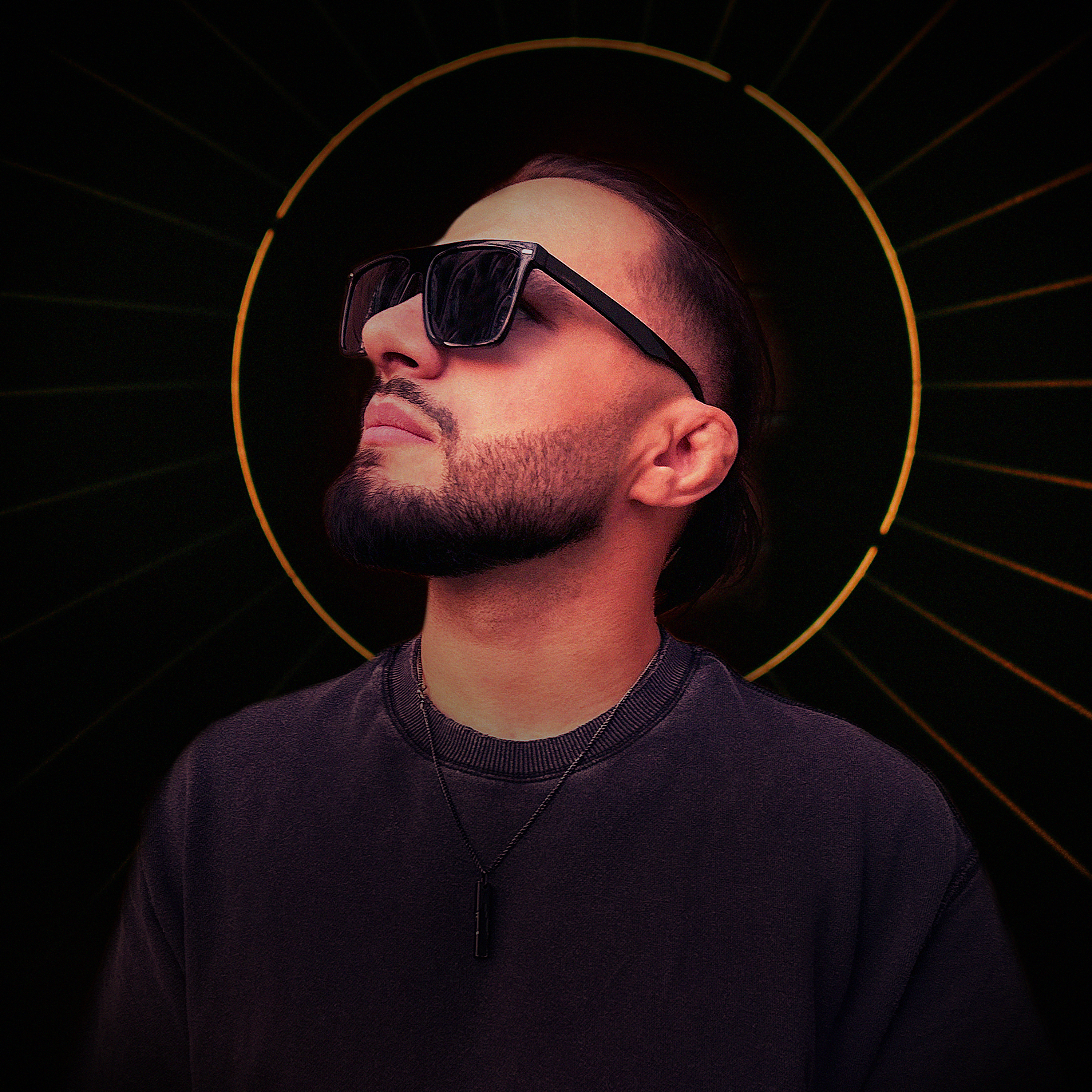
Genre Deep Dive: Our Interview w/ Stase
Tell us about the history of this style of music. Where did it originate?
The story starts with disco’s 1970s club culture—New York and Philadelphia dance floors shaped by various communities, where four-on-the-floor rhythms, syncopated bass, strings, brass, and rhythm guitars turned nightlife into a social movement.
In the early ’80s, Chicago DJs at the Warehouse—most iconically Frankie Knuckles—extended and toughened disco with drum machines and edits, laying the groundwork for house. In the late ’90s, French/filter house re-looped that spirit with sweeping filters and phasers, directly feeding into nu-disco and today’s pop-leaning dance.
That’s the lineage I’m building on: old-school soulfulness evolving into a modern, radio-and-club hybrid.
Who are the key innovators of this style, historically and today?
Historically, the Warehouse era and Frankie Knuckles’ edits are core to the grammar of groove and arrangement. French house expanded the vocabulary with filter-swept disco sampling that still informs modern productions.
In the current landscape, nu-disco and house crossovers keep disco’s DNA in the mainstream—think the sleek club-and-radio balance of Purple Disco Machine, the widescreen funk threads running through The Weeknd’s “Take My Breath,” Justice’s space-disco lineage, PNAU’s chopped-vocal collages, and Duke Dumont’s pop-house minimalism.
For this pack, these are inspirations rather than endorsements—useful north stars for how modern disco pop communicates.
How would you define the sound of Disco Pop House?
Modern disco pop lives where nu-disco sheen meets house discipline: a decisive four-on-the-floor, lightly swung hats, off-beat claps that “smile,” and animated ghost percussion.
Basslines are round and melodic—often eighth-note patterns with approach tones—supporting compact, glassy chords and muted guitar chanks. Filter and phaser motion, sidechain “breathing,” and arrangements that respect both radio arcs and expandable club phrasing define the style.
Typical tempos sit between 115–126 BPM.
How did you approach telling the story of this style through your sounds?
With Disco Pop House, I wrote from the dance floor up. Drums and percussion came first—layered kicks for punch and body, soft-tailed claps for blend, and hats with micro-accent changes so loops feel alive across longer phrases.
Melodically, I built guitars, basslines, chords, and songstarters that already imply arrangement—verse restraint versus chorus lift—using tight voicings and short room ambience so parts stack cleanly.
The female vocals carry the emotion: lush hooks for toplines, harmonies for lift, and musical chops for movement. Serum 2 presets were designed with performance macros—filter, envelope snap, brightness—so automation delivers a modern arc quickly.
What makes this style special to you personally?
I’m drawn to how modern disco pop balances nostalgia with precision—the warmth of disco’s communal roots, the patience of house grooves, and the polish of contemporary pop.
The 2020s resurgence proved how durable this vocabulary is. Small gestures—an opening filter, a two-note guitar figure, a melodic bass pickup—can tilt an entire room forward. That spark is what inspired this pack.
Any final insights for producers exploring this style?
Think in dual destinations. If a loop works in a short radio arc and stretches gracefully into club phrasing, it’s likely the right loop.
Use movement as a musical gesture, not a gimmick. Treat vocals two ways—hooks for meaning, chops for motion. Let the bass announce transitions, and humanize the grid while keeping the kick decisive.
That’s the ethos behind Disco Pop House: retro-futuristic funk and soulful vocals over a house-driven pulse—built to move fast from idea to finished track.