Break It, Then Shape It: The Mindset Behind Dubstep Bass Candy
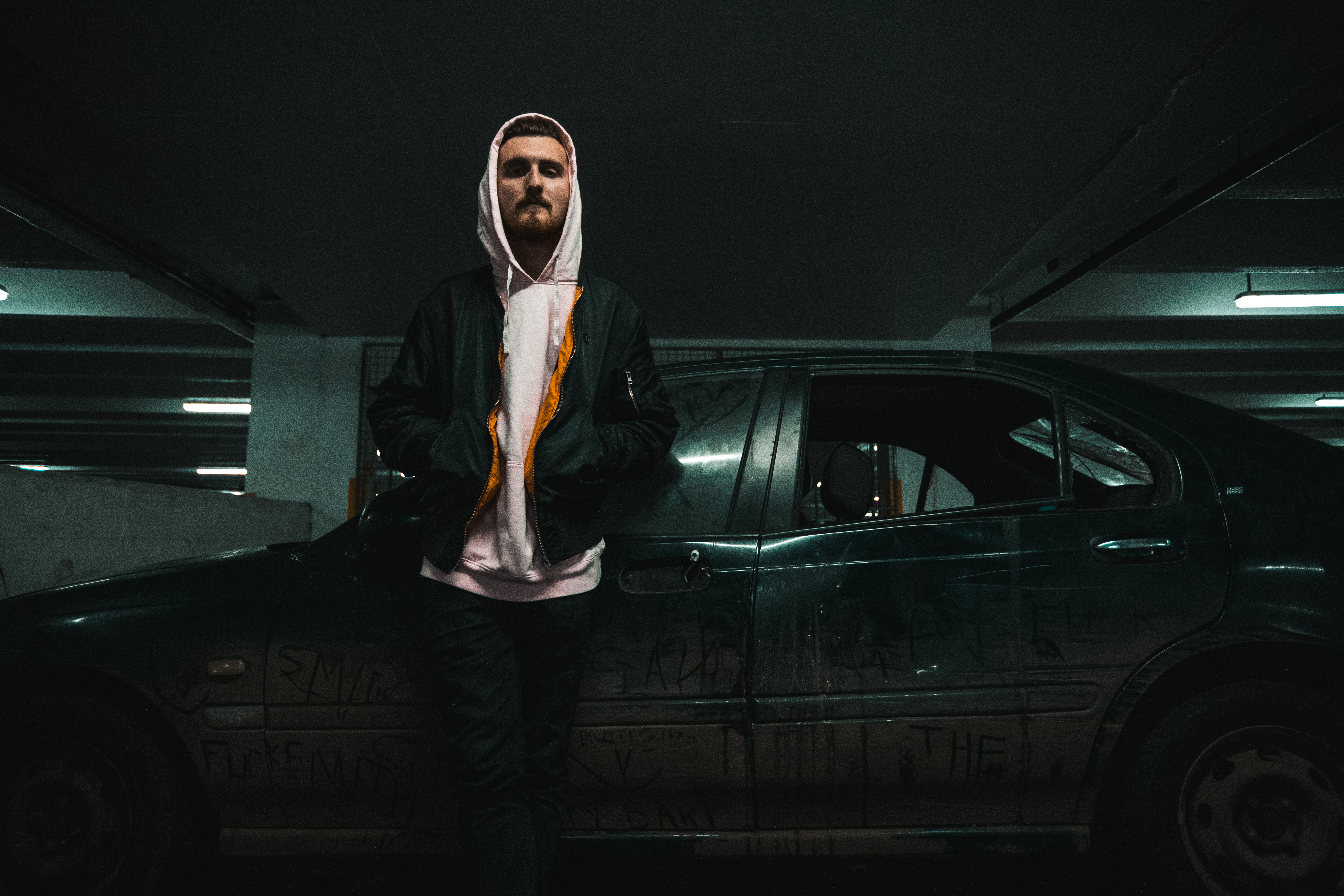
For producers working in dubstep, sound design isn’t just a skill — it’s the identity. In this Artist Spotlight, we connect with the mind behind Dubstep Bass Candy to explore a journey that started in a small town metal scene and evolved into crafting high-impact electronic sounds built for massive systems. From early DIY recording to pivotal moments discovering artists like Skrillex and Knife Party, this is a story about experimentation, adaptation, and finding your voice in one of electronic music’s most technically demanding genres.
Tell us about yourself — what led you to production and creating samples?
Production was something I started way back in 2012-2013, being a metal head in a small town with very few musicians, I had to essentially “make my own band”. So, I produced and recorded everything myself for years. Fast forward to seeing Skrillex and Knife Party at Reading Festival, which completely changed my outlook on electronic music, which is now more or less all I create! Creating samples has been a natural byproduct of creating music in itself, so when I found out, ‘hey, you can make money from this?’, I recalibrated my compass and spent more time honing my craft in sample making and synthesis.
What were your main influences or inspirations behind the sounds in Dubstep Bass Candy?
It’s quite hard to say what the main influences are behind Dubstep Bass Candy, as I created it over a number of years, with different eras of dubstep coming and going. However, my main inspiration when it comes to sound design has nearly always been artists like Space Laces, Marauda, and of course, Skrillex.
In what ways has your background in live sound shaped the way you design and produce samples?
My live sound and engineering background has definitely fine-tuned my ears to what will translate across to bigger sound systems. Getting the balance of sub frequencies right is integral to the energy felt in the crowd. I’ve also found that sometimes over-processing a sound can actually do more harm than good — leaving something a bit raw will often give it better impact and clarity when translating it onto a PA system, especially line arrays.
Dubstep has a high bar for sound design. How do you stay innovative and bring your own voice to the genre?
Honestly, just experimentation. Whether it’s trying out new tools or pushing the ones already out there to breaking point. Some of my favourite sounds I created in Dubstep Bass Candy were the result of experimentation with spectral processing, which at the time was quite underutilised in dubstep. I believe the days of just making something “heavy” are gone. Now it’s about making it interesting and complex, and that’s what sets producers apart.
What other genres are you interested in? And what can we expect from you in the future?
These days, I’ve actually returned to my British roots and culture, focusing mainly on drum & bass, jungle, garage, and 140-dubstep. My new alias (cba_tbh) is where my creative outlet tends to be now! Likewise, I’ve got plenty in the works for Black Octopus, so this definitely won’t be the last you hear from me on the samples and presets front…
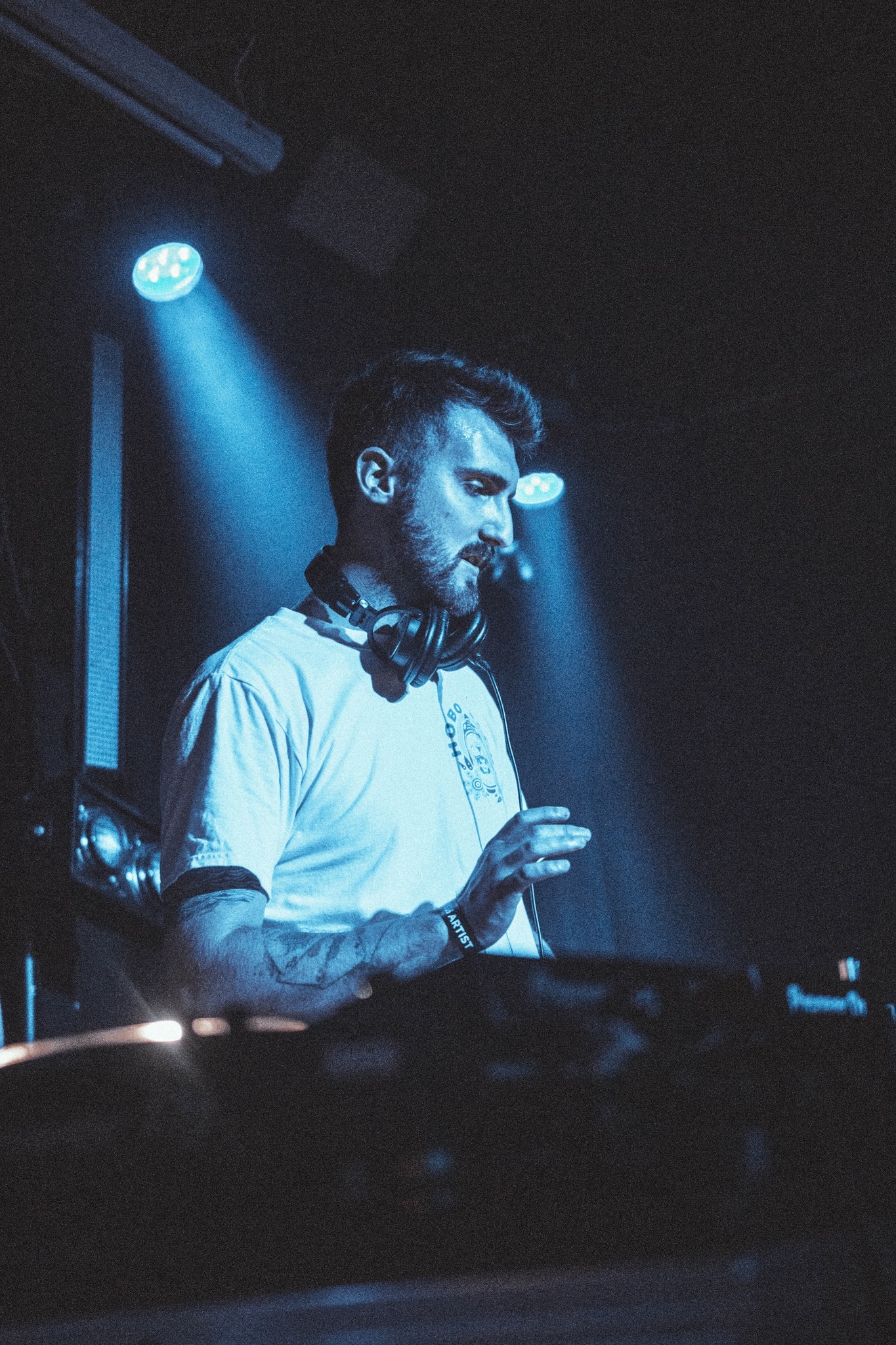
At its core, this approach to sound design is about balance — between raw and refined, heavy and detailed, experimental and intentional. Whether it’s designing basses that translate on festival-grade systems or exploring new sonic territory through spectral processing, the focus remains on pushing the craft forward. And with a renewed connection to UK-rooted genres like drum & bass, garage, and 140, it’s clear that this is just one chapter in an evolving creative journey — with plenty more sounds still to come.